“From the outset, Protestantism rejected the critical medieval distinction between the 'sacred' and 'secular' orders. While this position can easily be interpreted as a claim for the desacralization of the sacred, it can equally well be understood as a claim for the sacralization of the secular. As early as 1520, Luther had laid the fundamental conceptual foundations for created sacred space within the secular. His doctrine of the 'priesthood of all believers' asserted that there is no genuine difference of status between the 'spiritual' and the 'temporal' order. All Christians are called to be priests - and can exercise that calling within the everyday world. The idea of 'calling' was fundamentally redefined: no longer was it about being called to serve God by leaving the world; it was now about serving God in the world.”
Quote by Alister E. McGrath
Work
Christianity's Dangerous Idea: The Protestant Revolution: A History from the Sixteenth Century to the Twenty-First
Browse quotes and source details for this work. more
Author
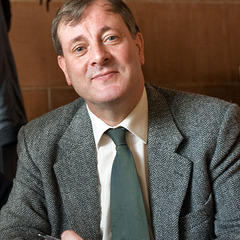
Alister E. McGrath
Alister E. McGrath is a renowned theologian, born on January 23, 1953. His research spans across religious philosophy, science and religion, and Christian history. McGrath's extensive writings have had a profound impact on contemporary theology. more
You May Also Like
Source: The Rise of Liberal Religion: Book Culture and American Spirituality in the Twentieth Century
“Embracing a healing presence requires you to just be in the moment together.”
Source: The Mindful Caregiver: Finding Ease in the Caregiving Journey
Source: The Mindful Caregiver: Finding Ease in the Caregiving Journey
Source: The Mindful Caregiver: Finding Ease in the Caregiving Journey
“To accept any religion is to accept paying the price to that deity in exchange for a great favour.”
Source: The Mindful Caregiver: Finding Ease in the Caregiving Journey
Source: The Fantastic Stories of Cornell Woolrich