“[W]e talk about the tyranny of words, but we like to tyrannise over them too; we are fond of having a large superfluous establishment of words to wait upon us on great occasions; we think it looks important, and sounds well. As we are not particular about the meaning of our liveries on state occassions, if they be but fine and numerous enough, so, the meaning or necessity of our words is a secondary consideration, if there be but a great parade of them. And as individuals get into trouble by making too great a show of liveries, or as slaves when they are too numerous rise against their masters, so I think I could mention a nation that has got into many great difficulties, and will get into many greater, from maintaining too large a retinue of words.”
Quote by Charles Dickens
Work
David Copperfield is a semi-autobiographical novel by Charles Dickens, published in 1850. The story is narrated by the protagonist, David Copperfield, who recounts his life experiences, including his abusive stepfather, his time at school, his first love, and his career as a writer. The novel is renowned for its vivid portrayal of Victorian society and its exploration of themes such as resilience, love, and the struggle for social mobility. more
Author
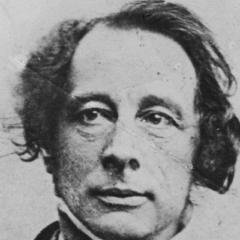
Charles Dickens, a British writer born on February 7, 1812, and died on June 9, 1870, is one of the greatest novelists of the 19th century. Known for his profound social criticism and vivid narrative style, Dickens' works extensively cover social reality, revealing various issues in the British society of the time. more
You May Also Like
“I prose on with a facility that wearies you to death.”
“And we simply sat in silence”
“He didn't mind Layla talking to him. He liked the way she talked without expecting an answer.”