“I already know a thing or two. I know it’s not clothes that make women beautiful or otherwise, nor beauty care, nor expensive creams, nor the distinction or costliness of their finery. I know the problem lies elsewhere. I don’t know where. I only know it isn’t where women think. I look at the women in the streets of Saigon, and up-country. Some of them are very beautiful, very white, they take enormous care of their beauty here, especially up-country. They don’t do anything, just save themselves up, save themselves up for Europe, for lovers, holidays in Italy, the long six-months’ leaves every three years, when at last they’ll be able to talk about what it’s like here, this peculiar colonial existence, the marvellous domestic service provided by the houseboys, the vegetation, the dances, the white villas, big enough to get lost in, occupied by officials in distant outposts. They wait, these women. They dress just for the sake of dressing. They look at themselves. In the shade of their villas, they look at themselves for later on, they dream of romance, they already have huge wardrobes full of more dresses than they know what to do with, added together one by one like time, like the long days of waiting. Some of them go mad. Some are deserted for a young maid who keeps her mouth shut. Ditched. You can hear the word hit them, hear the sound of the blow. Some kill themselves.”
Quote by Marguerite Duras
Book:The Lover
Work
Author
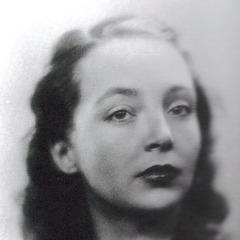
Marguerite Duras
Marguerite Duras was a renowned French writer born on April 4, 1914, and passed away on March 3, 1996. Her works are known for their unique narrative style and profound social insight, with notable titles including 'The Lover' and 'The River'. more
You May Also Like
Source: Escape from Saigon
Source: Trái tim son trẻ
Source: Snow in Vietnam: A Novel
Source: Sài Gòn - Chợ Lớn qua những tư liệu quý trước 1945
Source: Soul Mountain
Source: La sombra del ciprés es alargada
Source: La palabra transmutada: La poesía como existencia : selección de textos acerca de la palabra poética (1960-1988) (Colección Medio siglos de la ... General de la República)