“En esta época no existía el individuo, no se distinguía el «yo» del «tú». El «yo apareció muy al comienzo a causa del miedo a la muerte; lo ajeno al «yo» se transformó en lo que se denomina el «tú». El hombre era entonces incapaz aún de temerse a sí mismo, su conocimiento de sí mismo no provenía más que del otro. Sólo el hecho de apresar o de ser apresado, de estar sometido o de someter, le confirmaba en su existencia. La tercera persona que no tiene relación directa con el «yo» y el «tú» es «él». Y «él» no aparece sino de forma paulatina. Más tarde, he descubierto que ocurre otro tanto con «él»: fue la existencia de seres diferentes la que hizo retroceder la conciencia del «yo» y del «tú». El hombre ha ido olvidado paulatinamente su «yo» en la lucha por la vida con el prójimo y, sumergido forzosamente en el mundo infinito, ya no es más que un granito de arena.”
Quote by Gao Xingjian
Book:Soul Mountain
Work
Soul Mountain
Soul Mountain is a narrative that delves into the complexities of personal identity and the evolving cultural landscape of China in the 1980s. The story follows the protagonist's journey as they navigate the shifting political and social dynamics of the era, reflecting on the impact of history and tradition on individual lives. more
Author
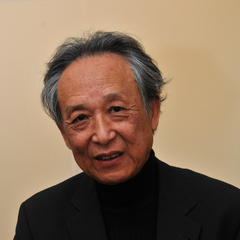
Gao Xingjian
Gao Xingjian, born on January 4, 1940, in Guilin, Guangxi, China, is a renowned novelist. His works are known for their unique literary style and profound social criticism, and he has won numerous international literary awards. more
You May Also Like
Source: La sombra del ciprés es alargada
Source: La palabra transmutada: La poesía como existencia : selección de textos acerca de la palabra poética (1960-1988) (Colección Medio siglos de la ... General de la República)
“Tenía en aquel momento todo lo que deseaba: el amor puto que existe entre una madre y su hijo.”
Source: Then Came You
Source: Stay Awake
Source: The Magic Mountain
Source: Elizabeth and Her German Garden