“The sky was clear - remarkably clear - and the twinkling of all the stars seemed to be but throbs of one body, timed by a common pulse. The North Star was directly in the winds eye, and since evening the Bear had swung round it outwardly to the east, till he was now at a right angle with the meridian. A difference of colour in the stars - oftener read of than seen in England - was really perceptible here. The sovereign brilliancy of Sirius pierced the eye with a steely glitter, the star called Capella was yellow, Aldebaran and Betelgueux shone with a fiery red.”
Quote by Thomas Hardy
Work
Far From the Madding Crowd
This novel follows the romantic entanglements of Bathsheba Everdene, a strong-willed woman living in the English countryside, as she navigates love, marriage, and the complexities of her social environment. more
Author
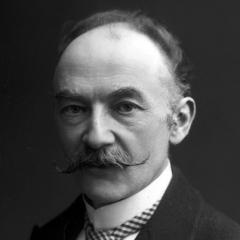
Thomas Hardy
Thomas Hardy, a British novelist born on June 2, 1840, and died on January 11, 1928, is renowned for his novels that depict rural life, reflecting the social changes in 19th-century England. His works often carry a sense of pessimism, depicting the fates of characters with sympathy. more
You May Also Like
Source: Her Lost Love
Source: The Cartography of Sleep
Source: The Battle of the Labyrinth
Source: Red Ultramarine
“Even a best iron grows brittle with too much beating”
Source: Circe
Source: Heroes: Mortals and Monsters, Quests and Adventures
“Escape may be checked by water and land, but the air and the sky are free.”
Source: Life Simplified: Quote - Unquote
Source: Ariadne