“Я подумал о том, — сказал я, — что, когда настанет мой час, мне будет очень грустно, если единственным доводом в мое оправдание будет то, что я был справедлив. Ведь тогда и ко мне отнесутся только справедливо…”
Quote by Agatha Christie
Work
Murder at the Vicarage
Browse quotes and source details for this work. more
Author
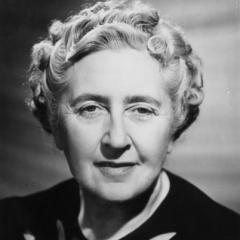
Agatha Christie
Agatha Christie, a renowned British detective novel writer, is known as the Queen of Detective Fiction. She was born on September 15, 1890, and passed away on January 12, 1976. Christie's works are characterized by intricate plots, unique reasoning, and vivid characters, and have had a profound impact on detective fiction worldwide. more
You May Also Like
Source: Hallelujah Anyway: Rediscovering Mercy
Source: Family Squeeze: Tales of Hope and Hilarity for a Sandwiched Generation
Source: Recapturing the Wonder: Transcendent Faith in a Disenchanted World
“This time I am on a mission of no mercy.”
Source: Drug Gang Vengeance
Source: In His Image: 10 Ways God Calls Us to Reflect His Character
“The world won’t show you mercy when you need it most.”
Source: The Emotional Embodiment of Stars
Source: Guilt by Association
“Move away from it, if it does not make you happy, it will surely not make you happy.”
Source: The Daily Dose of Motivational Quotes
“Death is a mercy compared to the agony I have caused." P162”
Source: Carve the Mark