Quotessence
Home / Quotes / Quote by Virginia Woolf

Quote by Virginia Woolf

“Although she continued to knit, and sat upright, it was thus that she felt herself; and this self having shed its attachments was free for the strangest adventures. When life sank down for a moment, the range of experience seemed limitless. And to everybody there was always this sense of unlimited resources, she supposed; one after another, she, Lily, Augustus Carmichael, must feel, our apparitions, the things you know us by, are simply childish. Beneath it is all dark, it is all spreading, it is unfathomably deep; but now and again we rise to the surface and that is what you see us by. Her horizon seemed to her limitless. There were all the places she had not seen; the Indian plains; she felt herself pushing aside the thick leather curtain of a church in Rome. This core of darkness could go anywhere, for no one saw it. They could not stop it, she thought, exulting. There was freedom, there was peace, there was, most welcome of all, a summoning together, a resting on a platform of stability.”

Quote by Virginia Woolf

Work

To the Lighthouse

A classic work of modernist literature, the novel delves into the complexities of human relationships and the internal struggles of its characters through the lens of a family's summer vacation at a lighthouse. more

Author
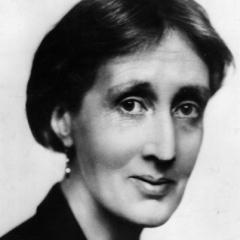
Virginia Woolf
Virginia Woolf

British modernist writer, known for her unique narrative techniques and profound portrayal of female experience. Her works include 'To the Lighthouse' and 'Mrs. Dalloway'. more

You May Also Like

“Exile from society allows person to disengage from meaningless activities and develop conscious awareness. A person’s courageous struggle to eliminate the trepidation of social exile produces insights into what it means to be human. We can displace emotional disquiet by living a heightened state of existence. How a person’s resolves the tremendous anxiety and dizziness that impetus comes from contemplating the inevitability of death, human freedom of choice, the moral responsibilities attendant to living in a selected manner, existential isolation, and the possibility of nothingness establishes a governing philosophical framework. A person must not rue ouster from society because release from moral and societal constraints spurs learning and advanced consciousness.”

“People give me looks of pity and ask me why I want to wallow in my disconnection from a very connected world. It is simple. The world seems way too connected to me now. It seems to be ruining the lives of teenagers and bringing out the bestial cruelty in those who can hide their vileness under the mask of some idiotic pseudonym. I like to sit alone and think about things. Solitude is as precious as coin silver and it takes labor to attain it.”

“Peter je zo svojho každodenného života zvyknutý dosť času tráviť sám, a tak mu to vyhovuje. Raz za čas sa skrátka potrebuje zamyslieť a zasnívať. Ak tú možnosť dlhodobo nemá, čo sa mu stane prvý raz práve tu v letnom tábore, začnú sa ho zmocňovať chmúrne myšlienky a úzkosť. Potrebuje samotu, aby unikol osamelosti. Osamelosť totiž nevzniká tým, že by človek nemal okolo seba ľudí, ale tým, že s nimi nemôže zdieľať veci, ktoré ho bavia a ktoré sa mu javia ako dôležité. A naopak, keď on považuje za nezmyselné veci, ktoré pre ostatných hrajú zásadnú úlohu. V takom prípade je potom už lepšia naozajstná, fyzická samota, keď si môže človek tráviť čas celkom po svojom.”

“You can not die of grief, though it feels as if you can. A heart does not actually break, though sometimes your chest aches as if it is breaking. Grief dims with time. It is the way of things. There comes a day when you smile again, and you feel like a traitor. How dare I feel happy. How dare I be glad in a world where my father is no more. And then you cry fresh tears, because you do not miss him as much as you once did, and giving up your grief is another kind of death.”