“We can see our forests vanishing, our water-powers going to waste, our soil being carried by floods into the sea; and the end of our coal and our iron is in sight. But our larger wastes of human effort, which go on every day through such of our acts as are blundering, ill-directed, or inefficient, and which Mr. Roosevelt refers to as a lack of" national efficiency," are less visible) less tangible, and are but vaguely appreciated. We can see and feel the waste of material things. Awkward, inefficient, or ill-directed movements of men, however, leave nothing visible or tangible behind them. Their appreciation calls for an act of memory, an effort of the imagination. And for this reason, even though our daily loss from this source is greater than from our waste of material things, the one has stirred us deeply, while the other has moved us but little.”
Quote by Frederick Winslow Taylor
Work
The Principles of Scientific Management
This book introduces the principles of scientific management, emphasizing the systematic study of work processes and the application of time and motion studies to optimize efficiency. It discusses the importance of standardization, division of labor, and coordination in achieving organizational goals. more
Author
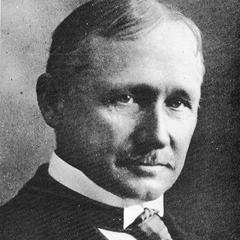
Frederick Winslow Taylor
Frederick Winslow Taylor, born on March 20, 1856, and died on March 21, 1915, was an American mechanical engineer and the founder of scientific management theory. He is known for his research on workflow and his contributions to the improvement of industrial production efficiency. more
You May Also Like
Source: Web3: The Insights You Need from Harvard Business Review
Source: Reflections on the Origins in the Post COVID-19 World
Source: Courts and their Judgements: Premises, Prerequisites, Consequences
Source: Overcoming Fake Talk: How to Hold REAL Conversations that Create Respect, Build Relationships, and Get Results
“Micromanagement is the destroyer of momentum.”
Source: Why Leadership Sucks™ Volume 2: The Pain, Pitfalls, and Challenges of Servant Leadership Fundamentals
Source: Change Insight: Change as an Ongoing Capability to Fuel Digital Transformation