Quotessence
Home / Quotes / Quote by Virginia Woolf

Quote by Virginia Woolf

“The only thing in this world is music–music and books and one or two pictures. I am going to found a colony where there shall be no marrying–unless you happen to fall in love with a symphony of Beethoven–no human element at all, except what comes through Art–nothing but ideal peace and endless meditation. The whole of human beings grows too complicated, my only wonder is that we don’t fill more madhouses: the insane view of life has much to be said for it–perhaps its the sane one after all: and we, the sad sober respectable citizens really rave every moment of our lives and deserve to be shut up perpetually. My spring melancholy is developing these hot days into summer madness.”

Quote by Virginia Woolf

Work

The Letters of Virginia Woolf: Vol. One, 1888-1912

Browse quotes and source details for this work. more

Author
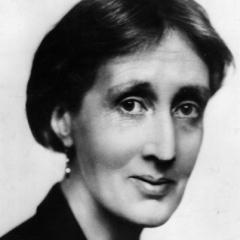
Virginia Woolf
Virginia Woolf

British modernist writer, known for her unique narrative techniques and profound portrayal of female experience. Her works include 'To the Lighthouse' and 'Mrs. Dalloway'. more

You May Also Like

“[I]n the years that followed the persecutions, Christianity came to see itself, with great pride, as a persecuted Church. Its greatest heroes were not those who did good deeds but those who died in the most painful way. If you were willing to die an excruciating end in the arena then, whatever your previous holiness or lack thereof, you went straight to heaven: martyrdom wiped out all sins on the point of death. As well as getting there faster, martyrs enjoyed preferential terms in paradise, getting to wear the much-desired martyr’s crown. Tempting celestial terms were offered: it was said that the scripture promised ‘multiplication, even to a hundred times, of brothers, children, parents, land and homes’. Precisely how this celestial sum had been calculated is not clear but the general principle was: those who died early, publicly and painfully would be best rewarded. In many of the martyr tales the driving force is less that the Romans want to kill – and more that the Christians want to die. Why wouldn’t they? Paradoxically, martyrdom held considerable benefits for those willing to take it on. One was its egalitarian entry qualifications. As George Bernard Shaw acidly observed over a millennium later, martyrdom is the only way a man can become famous without ability. More than that, in a socially and sexually unequal era it was a way in which women and even slaves might shine. Unlike most positions of power in the highly socially stratified late Roman Empire, this was a glory that was open to all, regardless of rank, education, wealth or sex. The sociologist Rodney Stark has pointed out that – provided you believe in its promised rewards – martyrdom is a perfectly rational choice. A martyr could begin the day of their death as one of the lowliest people in the empire and end it as one of the most exalted in heaven. So tempting were these rewards that pious Christians born outside times of persecution were wont to express disappointment at being denied the opportunity of an agonizing death. When the later Emperor Julian pointedly avoided executing Christians in his reign, one Christian writer far from being grateful, sourly recorded that Julian had ‘begrudged the honour of martyrdom to our combatants’.”