Quotessence
Home / Quotes / Quote by Rabindranath Tagore

Quote by Rabindranath Tagore

“আত্মা অন্য আত্মার সংঘর্ষে তবেই আপনাকে সম্পুর্ণরূপে অনুভব করিতে পারে, তবেই সে মিলনের আধ্যাত্নিকতা পরিপূর্ণ মাত্রায় মন্থিত হইয়া উঠে । একাকার হইয়া থাকা কিছু না থাকার ঠিক পরেই । কোনো একজন ইংরাজ কবি লিখিয়াছেন, ঈশ্বর, আপনারই পিতৃ-অংশ এবং মাতৃ-অংশকে স্ত্রী-পুরুষরূপে পৃথিবীতে ভাগ করিয়া দিয়েছেন; সেই দুই বিচ্ছিন্ন অংশ এক হইবার জন্য পরস্পরের প্রতি এমন অনিবার্য আনন্দে আকৃষ্ট হইতেছে; কিন্তু এই বিচ্ছেদটি না হইলে পরস্পরের মধ্যে এমন প্রগাঢ় পরিচয় হইত না । প্রবন্ধঃ সৌন্দর্যের সম্বন্ধ”

Quote by Rabindranath Tagore

Work

বিচিত্র প্রবন্ধ

Browse quotes and source details for this work. more

Author

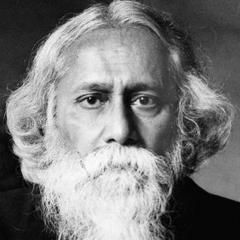
Rabindranath Tagore
Rabindranath Tagore

Rabindranath Tagore, a renowned Indian poet, writer, philosopher, and social activist, was born on May 7, 1861, in Calcutta, and passed away on August 7, 1941. Tagore's works blend the influences of traditional Indian literature and Western literature, and his poetry, novels, plays, and essays have won the hearts of readers worldwide. He was the first Asian writer to win the Nobel Prize in Literature, and his works have had a profound impact on world literature. more

You May Also Like

“People used to build great libraries to symbolize man’s quest for knowledge, now we have the Internet which is both more powerful and wonderful. The men who used to get their information from the library were considered scholars but the men who get their information from the Internet are considered idiots, or worse, thieves.”

“Taco Hidde Bakker: (quoting a sentence from Schles' book "Oculus") Further on you write, decidedly, “Seeing is not knowing. Recognition is not knowledge”. […] Muses are the origin of knowledge. Almost everything one knows and is able to know nowadays, comes from hearsay, isn’t based on one’s own experiences or witnessing of events. Most of us don’t even directly witness historically decisive events (or what have come to be portrayed as such by the media) during our lifetimes. By means of the mechanisms of complex (visual) representation networks, we are second-order or even third-order witnesses. If we were to consider photography sui generis, then it is a Muse. It is virtually omnipresent, it sees everything, transmits visual evidence to people all over the globe, and enlargers their body of knowledge.”