“Those who have made architectural beauty their life's work know only too well how futile their efforts can prove. After an exhaustive study of the buildings of Venice, in a moment of depressive lucidity, John Ruskin acknowledged that few Venetians in fact seemed elevated by their city, perhaps the most beautiful urban tapestry in the world. Endowed with a power that is often as unreliable as it is inexpressible, architecture will always compere poorly with utilitarian demands for humanity's resources. How hard is it to make a case for the cost of tearing down and rebuilding a mean but serviceable street. How awkward to have to defend, in the face of more tangible needs, the benefits of re-aligning a crooked lamppost or replacing an ill-matched window frame. Beautiful architecture has none of the unambiguous advantages of a vaccine or a bowl of rice. In construction will hence never be raised to a dominant political priority, for even if the whole man-made world could, through relentless effort and sacrifice, be modeled to rival St Mark's square ...[ ..] , we would still often be in a bad mood.”
Quote by Alain de Botton
Work
The Architecture of Happiness
This book delves into the impact of architectural design on the emotional and psychological state of individuals, discussing how buildings and spaces can influence happiness and quality of life. more
Author
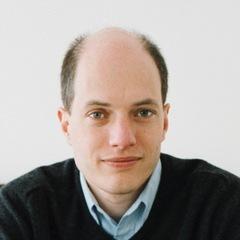
Alain de Botton
Alain de Botton is a Swiss writer and philosopher known for his books on philosophy, art, and culture. His work is characterized by its accessible exploration of profound themes, which has won him a wide audience. more
You May Also Like
“Youth without beauty always has attraction; beauty without youth has none.”
Source: The World as Will and Representation, Volume I , Books III-IV
Source: Different, Not Less: A Neurodivergent's Guide to Embracing Your True Self and Finding Your Happily Ever After
Source: Fotografia e pittura nel Novecento
Source: Appreciations, With an Essay on Style
Source: The Blood Orchid
Source: The Ugly Duckling
Source: The City
Source: The City