“Still, the melancholy of this dying culture was all around us. Great as the desire to westernize and modernize may have been, the more desperate wish was probably to be rid of all the bitter memories of the fallen empire, rather as a spurned lover throws away his lost beloved's clothes, possessions, and photographs. But as nothing, western or local, came to fill the void, the great drive to westernize amounted mostly to the erasure of the past; the effect on culture was reductive and stunting, leading families like mine, otherwise glad of republican progress, to furnish their houses like museums.”
Quote by Orhan Pamuk
Work
Istanbul: Memories and the City
Browse quotes and source details for this work. more
Author
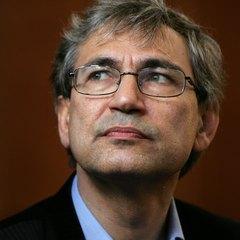
Orhan Pamuk
Orhan Pamuk, born on June 7, 1952, is a renowned Turkish novelist. His works are characterized by their depiction of Turkish society, history, and culture, and have won him a wide audience. Pamuk has received the Nobel Prize in Literature and is considered a leading figure in Turkish literature. more
You May Also Like
“Lo más difícil siempre es perdonarse a uno mismo.”
Source: The Storyteller
Source: Lady Be Good: The Life and Times of Dorothy Hale
Source: Lady Be Good: The Life and Times of Dorothy Hale
Source: Lady Be Good: The Life and Times of Dorothy Hale
Source: Lady Be Good: The Life and Times of Dorothy Hale
Source: Lady Be Good: The Life and Times of Dorothy Hale
Source: Lady Be Good: The Life and Times of Dorothy Hale
Source: The Dreamwalker's Child
Source: Lady Be Good: The Life and Times of Dorothy Hale