“Marianne could never love by halves; and her whole heart became, in time, as much devoted to her husband, as it had once been to Willoughby.”
Quote by Jane Austen
Work
Sense and Sensibility
This timeless novel follows the lives of two sisters, Elinor and Marianne Dashwood, as they navigate the complexities of romance and social status amidst the backdrop of their family's decline. The story delves into the emotional and moral dilemmas faced by the characters, offering a poignant commentary on the era's values and norms. more
Author
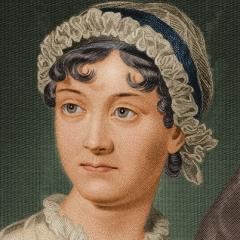
Jane Austen
Jane Austen, born on December 16, 1775, and died on July 18, 1817, was a renowned English novelist of the 19th century. Known for her exquisite psychological portrayals and satirical humor, Austen's works mainly revolve around rural life in England, depicting the customs and interpersonal relationships of the time. Her representative works include 'Pride and Prejudice' and 'Sense and Sensibility'. more
You May Also Like
“A promise is a bird that can never be set free.”
Source: The Last Witch: Fear & Fire
Source: The Call of Intuition: How to Recognize & Honor Your Intuition, Instinct & Insight
Source: The Call of Intuition: How to Recognize & Honor Your Intuition, Instinct & Insight
Source: Sips And Little Portions
Source: The Gravity of Birds
“We ought to pray persistently.”
Source: Think Great: Be Great!
“Anyone can write a holy book, if he feels god is calling him to do so”
Source: Pearls Of Eternity
Source: Wrong Planet - Searching for your Tribe
“The literati in their cellars Perform semantic tarantellas. I wish I did it half as well as them.”