Quotessence
Home / Quotes / Quote by Carl Jung

Quote by Carl Jung

Author

Carl Jung
Carl Jung

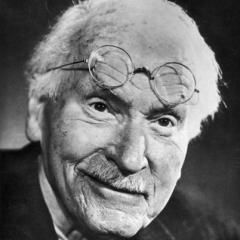
Carl Jung, born on July 26, 1875, and died on June 6, 1961, was a renowned Swiss psychiatrist and psychologist. His theories have had a profound impact on fields such as psychology, psychiatry, and religious studies. Jung proposed the theory of personality types, the concept of the collective unconscious, and founded analytical psychology. more

You May Also Like

“Sometimes when I sleep the girls play like old seventies home movies in my head, flickering and jerky, saturated with color that always look slightly artificial – –twirling through that insurance office, taking candy off the old ladies' desks as they titter and pretend not to notice. Rebecca is such a scamp. –double-bouncing on the trampoline. A girl's laughter. Not mine. Do it again! Do it again, I beg. Sure thing, Sammy! –the unforgiving press of the pew against my back, my head bent in prayer. Pastor Elijah tugs the sleeve of my sweater down to cover the bruises. Keep sweet, Haley. –the stifling air in Joseph's house. How my skin prickles when I step inside the first time. Don't you want to be a good girl, Katie? –the sand under my bare feet. The knife in my hand. Raymond's body feet away. The plan to get me out depends on it. What are you capable of, Ashley?”

“The realization of dream elements, in the course of waking up, is the paradigm of dialectical thinking. Thus, dialectical thinking is the organ of historical awakening. Every epoch, in fact, not only dreams the one to follow but in dreaming, precipitates its awakening. "It bears its end within itself and unfolds it-as Hegel already noticed-by cunning. With the destabilizing of the market economy, we begin to recognize the monuments of the bourgeoisie as ruins even before they have crumbled.”

“It is therefore of supreme importance that we consent to live not for ourselves but for others. When we do this we will be able first of all to face and accept our own limitations. As long as we secretly adore ourselves, our own deficiencies will remain to torture us with an apparent defilement. But if we live for others, we will gradually discover that no expects us to be 'as gods'. We will see that we are human, like everyone else, that we all have weaknesses and deficiencies, and that these limitations of ours play a most important part in all our lives. It is because of them that we need others and others need us. We are not all weak in the same spots, and so we supplement and complete one another, each one making up in himself for the lack in another.”