Quotessence
Home / Quotes / Quote by Rainer Maria Rilke

Quote by Rainer Maria Rilke

Work

Sonnets to Orpheus

Sonnets to Orpheus is a poetic work that delves into the emotional depths of love and the enduring power of human emotion. The author uses the myth of Orpheus, a figure from Greek mythology known for his musical prowess and tragic love story, as a backdrop for a series of sonnets. These sonnets reflect on themes such as unrequited love, the pain of separation, and the quest for redemption. The work is characterized by its rich imagery and profound emotional resonance, offering readers a contemplative journey through the complexities of the human heart. more
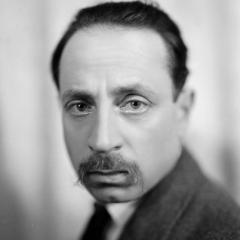
Author

Rainer Maria Rilke
Rainer Maria Rilke

German poet known for his profound poetry and epistolary works. Rainer Maria Rilke's poetry style is unique, often exploring themes such as loneliness, love, and religious faith. more

You May Also Like

“People changed and they didn’t. People evolved and they didn’t. Alice imagined a graph that showed how much people’s personalities shifted after high school on one axis and on the other, how many miles away from home they had moved. It was easy to stay the same when you were looking at the same walls. Layered on top would be how easy your life was along the way, how many levels of privilege surrounded you like a tiny glass object in a sea of packing peanuts.”

“Every moment was to be grasped because it would not appen again. 'This I had e had, and this, and this,' to taste life and smell it and grasp it, to bave It even if he could not hold it, knowing that be was aged and wise beyond his years, for 'When I am twenty I shall be old and the I shan't want these things,' said Julius. And every song be sang was an adieu, and every movement a gesture of farewell. He sought exhaustion in all its forms, deliberately he made a fetish of sensation and the enjoyment of unbounding health became a sensuous experience. 'If I do everything when I am nineteen I shan't want to do anything later,' be thought. If he had never known what it was to be a child, at least he would know how a big should live; and while he plunged headlong into every folly of mischief and adventure and vice, it was as though part of him stood aside, watching the figure of himself with his hands to his hips, waving good-bye to his own boyhood.”