“Anger is defined by philosophers as a long-standing and sometimes incurable mental ulcer, usually arising from weakness of intellect. In support of this they argue with some plausibility that this tendency occurs more in invalids than in the healthy, more in women than in men, more in the old than the young, more in those in trouble than in the prosperous.”
Quote by Ammianus Marcellinus
Author
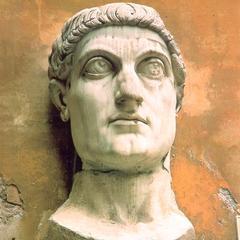
Ammianus Marcellinus
Ammianus Marcellinus, born in 320 and died in 390, was an ancient Roman historian. His major work, 'The History of the Roman Empire', is an important source for studying the history of the Roman Empire from the 3rd to the 4th century. more
You May Also Like
“Ich rege mich nicht auf. Ich bin emotional überversorgt.”
Source: Depression abzugeben
Source: Unliving the Dream
Source: Divine Living: The Essential Guide To Your True Destiny
“Just because you took longer than others, doesn’t mean you failed.”
“Love is such a tremendous force of feeling! When you can't stop loving, you simply cannot stop it.”
“Man is mostly a collection of emotions, most of which he would do better not to be feeling.”
Source: How Music Works
“... Don't feel bad about crying. Ever.”
Source: The Maze Runner
Source: The Life of Martyn Lloyd-Jones - 1899-1981