“Conscious thought is the tip of an enormous iceberg. It is the rule of thumb among cognitive scientists that unconscious thought is 95 percent of all thought-and that may be a serious underestimate. Moreover, the 95 percent below the surface of conscious awareness shapes and structures all conscious thought. If the cognitive unconscious were not there doing this shaping, there could be no conscious thought.”
Quote by George Lakoff
Work
Philosophy in the Flesh: The Embodied Mind and Its Challenge to Western Thought
This book delves into the concept of the embodied mind, examining how our physical experiences shape our philosophical understanding and challenge traditional Western thought. more
Author
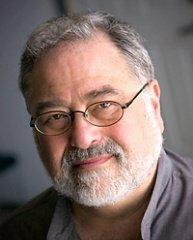
George Lakoff
George Lakoff, born on May 24, 1941, is an American cognitive linguist. His research focuses on the relationship between language and thought, and he has made significant contributions to the field of linguistics with his theories on cognitive linguistics. more
You May Also Like
“The reality of life does not change who you are, it only changes your perspective.”
Source: Thinking, Fast and Slow
Source: The Infallible Word of God: 365 Inspirational Quotes
Source: Influence Is Your Superpower: The Science of Winning Hearts, Sparking Change, and Making Good Things Happen
“Si eres responsable de lo que va mal en tu vida, nadie que no seas tú puede cambiarlo.”
“Fantaseamos lo que no entendemos...Las situaciones que menos se comprenden excitan el inconsciente”
Source: Ambiguous Loss: Learning to Live with Unresolved Grief