Quotessence
Home / Quotes / Quote by Lucy Worsley

Quote by Lucy Worsley

Work

Queen Victoria: Daughter, Wife, Mother, Widow

Browse quotes and source details for this work. more

Author
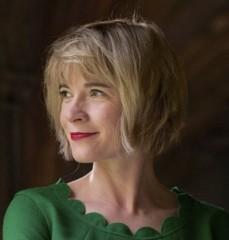
Lucy Worsley
Lucy Worsley

Lucy Worsley is a British historian known for her deep research into the Victorian era, particularly focusing on women's history and social change. Her books and television programs have gained widespread popularity, making history more vivid and accessible to the public. more

You May Also Like

“A species of madness' had come upon her, [Dr Clark] claimed ... but these fears were greatly amplified by the fact that Victoria was approaching that time of life when Victorian women in general were believed to lose control of themselves: the menopause. ... Menopausal women, contemporary doctors hinted, would become sex maniacs.”

“Before the twentieth century, to be a widow was perhaps to be in the most potent of a woman's life stages. For the first time, a widow was answerable to no one. For the first time, she could own property. For all women other than the queen, a woman's worldly goods, and even her children, had up to that point been not hers but her father's or husband's.”

“Your words are powerful so what you say goes a long way to either establish or destroy you; this is why you should say things that God has said concerning you, not things that situations or circumstances say.”

“Even at rock bottom, when her doctors had thought she would go mad with grief, Victoria had spoken of endurance. She was 'determined', she wrote, that as a widow 'no one person, may he be ever so good ... is to lead, or guide, or dictate to me'.”

“Historian Dorothy Thompson has pointed out the double standard at work here. A king's having a mistress was regrettable, but ultimately acceptable. The possibility, though, of a female ruler having a sexual relationship outside of marriage, causes dismay and prurient ridicule.”

“Victoria's courtiers generally shared the views of her administrators and colonial staff in India, which were that Indians were decidedly inferior to Europeans. Victoria, however, perhaps having less cause to worry about her status being challenged, was less prone to this, 'There is no hatred to a brown skin - none,' she wrote, even in the wake of the Indian Rebellion of 1857.”

“This bonnet, worn with resolution, had caused some upset. Her government had asked its queen to appear more ... queenly. 'The symbol that unties this vast Empire is a Crown not a bonnet,' complained Lord Roseberry. But Victoria stoutly refused, and 'the bonnet triumphed'.”

“Many people envied her position as the winner of the Baby Race and the wearer of the crown. But when she discovered she was to be queen, Victoria already knew that it was the breaking, not the making, of her life. 'I cried much,' she said. Her mother had prepared her for the lonely royal trap in which bother of their lives would be lived, a trap that tightly clasped so many Victorian women but which squeezed and nipped at a queen perhaps most damagingly of all. 'You cannot escape your own feelings,' Victoire told Victoria, all those years ago, 'you cannot escape ... from the situation you are born in'. You cannot escape. It was true. You cannot escape.”