“No two individuals, it would seem, could be further apart politically than [Eldridge] Cleaver and [George] Wallace. Cleaver, on the one hand, embodies and articulates the rage that has gripped large segments of the black community in recent years. Born of desperation and despair, this rage has produced burnings and lootings in the ghetto as well as a philosophy of black separatism that represents more a withdrawal from an intimidating and unresponsive white society than a positive program for political action. This rage was also the source of Cleaver's influence. He could ride its powerful currents to fame and notoriety--which the mass media were more than willing to heap upon him--but he could not begin to propose a solution to the injustices that had produced it. Indeed, to assuage the anger and frustration in the black community would have threatened his own base of power. Wallace, on the other hand, has often been called the embodiment of white racism and reaction. That he is, but, more precisely, his preeminence was a result of the fear which gripped large sections of the white community throughout the country. The Wallace movement grew to frightening proportions not because of anything that Wallace did but because the politically polarized atmosphere in the country called forth the need for a man who would represent the fears and the very worst instincts of millions of people. While Cleaver and Wallace seem on the surface to be so very different, they are both simply the manifestations of the same social evils. Black rage and burnt-out ghettos are the product of the economic deprivation of Negro Americans; and white fear and the Wallace vote are the result of the economic scarcity that motivates whites, particularly those in the lower middle class, to feel that they must protect the little they have against the rising demands of blacks. The conditions of deprivation and scarcity, and the consequent growth of racial hostility and political polarization, formed the context within which the events of 1968 unfolded.”
Quote by Bayard Rustin
Work
Browse quotes and source details for this work. more
Author
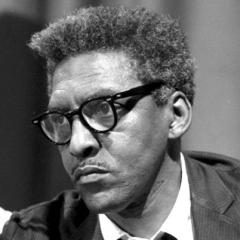
Bayard Rustin was a prominent African American civil rights activist who played a significant role in the American civil rights movement. He was a strategist and advisor to many civil rights leaders, including Martin Luther King Jr. Rustin was a key figure in the organization of the 1963 March on Washington for Jobs and Freedom, one of the largest political protests in U.S. history. He was also a leader in the gay rights movement and advocated for nonviolent protest and civil disobedience. more
You May Also Like
“We can't escape being the product of things we can't change.”
“Sagittarius is a great idealist and usually aims for high standards and the good life”
“Sagittarius folks are truth seekers and tellers.”
“No night was perfect for treason, but this one came close.”