“But as the correspondence progresses, it becomes obvious that now, unlike earlier with his mother, he can perceive and articulate his needs more and more clearly, that although he is in constant danger of subordinating his need to be a writer and to be alone to bourgeois ideals of familial happiness, he never succumbs to this danger. In the end, he knows he can never give up his writing without giving up himself, and he accepts the consequences. Since it is not possible for him to go on writing in the world from which he comes without suffering from guilt feelings, he pays for his decision by becoming ill. 5. Kafka's insight into the origins of his tuberculosis can help us in our attempts to understand psychosomatic illnesses and their societal context. Don't we as therapists make it difficult for patients to live their own lives if we have preconceived ideas about what constitutes happiness, psychic health, social commitment, altruism and goodness in a person? According to these conventional standards, still very prevalent today, Franz Kafka was a neurotic or an eccentric, whom a psychotherapist would be tempted to "socialize" in order to enable him to marry Felice. One of my goals in this chapter is to make clear how absurd such an attempt would be. A visionary of rare greatness and dept came into being, and it is obvious that his attempts to adhere to bourgeois norms were bound to fail. Whether humankind cares to pay heed or not, the prophetic power of "In the Penal Colony" endures (...) because he took his own experiences seriously and thought them through to their bitter end. Advocates of manipulative strategies in psychotherapy could counter my views by saying that not everyone has the talent of a Franz Kafka and that most people seek help because they would like to get along better with others, because they suffer from their symptoms, want to improve their relationships, cannot being themselves to marry, and the like. I would reply that these were precisely the complains Kafka had. It would be disastrous, however, not to perceive the longing to find one's true self inherent in these complains.”
Quote by Alice Miller
Author
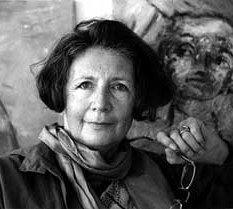
Alice Miller
Alice Miller, born on January 12, 1923, and died on April 12, 2010, was a renowned psychologist. Her research focused on child psychology and the psychology of abuse, delving deeply into the psychological impact of child abuse and neglect. more
You May Also Like
Source: Socialist Planning
“You don't give her up. You only go halves.”
Source: Little Women
“Could you control how your mind sorted things? No more than you could control your dreams?”
Source: Laurie
“Is that my boy?’ As sure as this is my girl!”
Source: Good Wives
Source: Little Women
Source: Little Women
“I don't believe it's the right sort of love, and I'd rather not try it," was the decided answer.”
Source: Little Women
Source: Little Women
Source: Little Women