“È, o è stato, per molti aspetti, un grande uomo. Ma proprio per questo è strano. Sono solo gli uomini piccoli che sembrano normali.”
Book:The Name of the Rose
“È, o è stato, per molti aspetti, un grande uomo. Ma proprio per questo è strano. Sono solo gli uomini piccoli che sembrano normali.”
This novel delves into the life of a young monk who becomes entangled in the political intrigue of the Catholic Church during the 13th century. It examines the conflict between the purity of faith and the corrupting influence of power, offering a rich tapestry of historical detail and moral complexity. more
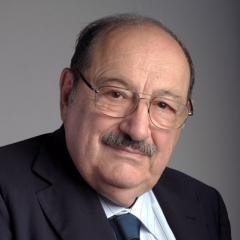
Italian essayist, scholar, and critic. Umberto Eco is renowned for his unique literary style and profound academic background. His works integrate history, philosophy, literature, and semiotics, with his most famous novel being 'The Name of the Rose'. more
“Parfois l’homme se transforme en bête avec les meilleures raisons du monde.”
“Denying, believing and doubting are to men what running is to horses.”
“One life to live and humans spend the majority of it worrying about our variations. Mind blowing.”