“For Schopenhauer, there is only one underlying reality; for Kant, there are things in themselves as a plurality. The difference is singularity against plurality (diversity). But this difference may be only on the surface, for it is hard to imagine that Kant thought of noumenon (if equated to a thing in itself) as of plurality, but rather that things in themselves are not differentiated in the noumenon as they are in the world of phenomena for these phenomena are only particular, phenomenal manifestations of the One—Noumenon (although this may not be the case with Plato). Let’s think deeper about Plato’s idea of noumenon. We may conclude that, although on a superficial level, noumenon may contain plurality, when we look deeper, we may conclude that Plato’s noumenon is singularity too. Regardless of the description and explanation in the Republic, Plato’s noumenon is or may be the undifferentiated One. The idea that the world we see and the things in it are only the shadows of an underlying reality or noumena does not necessarily mean that all these things have their literal equivalents in the noumenon. In the end, there seems to be less difference between Plato’s forms (ideas) and Kant’s things in themselves than it looks like on the surface. Still, noumenon, although being a singularity, being the One and universal underlying reality, contains plurality as a potential.”
Quote by Dejan Stojanovic
Book:ABSOLUTE
Work
Author
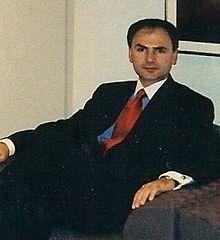
Dejan Stojanovic
Dejan Stojanovic, born on March 11, 1959, is a Serbian poet known for his profound emotions and unique style in his poetry, which has won the hearts of readers worldwide. more
You May Also Like
Source: ABSOLUTE
Source: ABSOLUTE
Source: ABSOLUTE
Source: ABSOLUTE
Source: ABSOLUTE
Source: Mina
Source: ABSOLUTE
Source: ABSOLUTE
Source: ABSOLUTE
Source: ABSOLUTE