“Excess of grief may bring on quite as fine a bout of madness an an excess of any thing else. Truth to tell, I was not quite myself for a time. Truth to tell, I was a little wild.”
Quote by Susanna Clarke
Work
Jonathan Strange & Mr Norrell
Browse quotes and source details for this work. more
Author
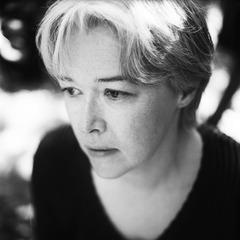
Susanna Clarke
Susanna Clarke is a British author best known for her novel 'American Gods', which has won numerous awards, including the Hugo Award. Born on November 1, 1959, Clarke grew up in the UK and studied English literature at Oxford University. Her career began as a literary editor before she turned to writing. 'American Gods' is a fantasy novel that blends history, mythology, and science fiction, and it has achieved both critical acclaim and commercial success. Clarke's work is celebrated for its unique narrative techniques and profound exploration of social and cultural issues, having a significant impact on contemporary fantasy literature. more
You May Also Like
Source: Baksheesh and Brahman: Asian Journals-India
Source: The Complete Essays
Source: The Purple Cloud
Source: 99 Sketches: A collection of philosophical and inspirational notes
Source: The Making of Henry
“Every man has a hidden skill; He knows how to go crazy, like real madman.”
Source: Maxim Maxim
Source: The Sun, the Moon, & the Stars
“The world is mad, and it takes a little madness at times to put it back in order again.”
“He was lost in his vanity and I in him, we both were crazy!”
Source: Just the Way I Feel
“She thought, perhaps I am simply mad. It will grow worse. That will be my life.”
Source: The Green Knight