“ដីកាទាំង១៣របស់ព្រះសម្មាសម្ពុទ្ធ ១. ការសម្រេចផលដ៏អស្ចារ្យបំផុតគឺការអស់ភាពអត្មានិយម។ ២. តម្លៃដ៏ខ្ពង់ខ្ពស់បំផុតគឺភាពម្ចាស់ការលើខ្លួនឯង។ ៣. គុណតម្លៃដ៏ប្រសើរបំផុតគឺការបម្រើអ្នកដទៃ។ ៤. សិក្ខាបទដ៏ល្អបំផុតគឺសតិតាមទាន់។ ៥. ឪសថដ៏សក្ដិសិទ្ធបំផុតគឺការអស់ការប្រកាន់ភ្ជាប់។ ៦. ការប្រព្រឹត្តដ៏ត្រឹមត្រូវបំផុតគឺការមិនដើរស្របតាមរបៀបពិភពលោក។ ៧. មន្ដគាថាដ៏វិសេសវិសាលបំផុតគឺការអស់ទៅនៃចំណង់។ ៨. សប្បុរសធម៌ដ៏បរិសុទ្ធបំផុតគឺការមិនជាប់ជំពាក់។ ៩. សេចក្ដីសុខដ៏បវរបំផុតគឺចិត្តស្ងប់។ ១០.សេចក្ដីអត់ធន់ដ៏ខ្ពស់បំផុតគឺការអោនលំទោន។ ១១. សេចក្ដីប្រឹងប្រែងដ៏ប្រសើរបំផុតគឺការមិនព្រួយបារម្ភអំពីលទ្ធផល។ ១២. វិបស្សនាដ៏ស៊ីជម្រៅបំផុតគឺចិត្តមិនប្រតិកម្ម(ចិត្តឩបេក្ខា) ១៣. បញ្ញាដ៏ជ្រៅជ្រះបំផុតគឺការមើលធ្លុះអាការៈខាងក្រៅ។”
Quote by Gautama Buddha
Author
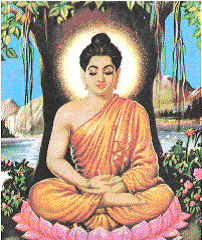
Gautama Buddha
Gautama Buddha, also known as Siddhartha Gautama or the Buddha, was a spiritual leader and the founder of Buddhism. Born in the 6th century BC in the region of Lumbini, Nepal, he renounced his princely life to seek enlightenment. His teachings, emphasizing the Four Noble Truths and the Eightfold Path, have profoundly influenced the lives of millions around the world. more
You May Also Like
Source: Tinkering: Kids Learn by Making Stuff
Source: Tinkering: Kids Learn by Making Stuff
Source: One Hundred Years of Solitude
Source: Tinkerlab: A Hands-On Guide for Little Inventors
Source: Automating Finance: Infrastructures, Engineers, and the Making of Electronic Markets