Quotessence
Home / Quotes / Quote by Oscar Wilde

Quote by Oscar Wilde

“كل منا يدمر الأشياء التي يحبها من خلال هذا العالم الحديث فنضع المال والعمل في المقام الأول بينما نضع من نحب في المقام الثالث”

Quote by Oscar Wilde

Author
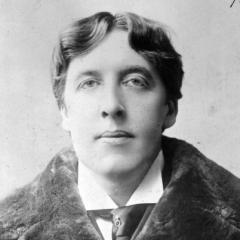
Oscar Wilde
Oscar Wilde

Oscar Wilde, born on October 16, 1854, in Ireland, and died on November 30, 1900, was a renowned Irish writer, playwright, and poet. His works are known for their wit, satire, and unique style, with notable works including 'The Picture of Dorian Gray' and 'Lady Windermere's Fan'. more

You May Also Like

“She might not have felt everything she had felt in those lives, but she had the capability. She might have missed those particular opportunities that led her to become an Olympic swimmer, or traveller, or a vineyard owner, or a rock star, or a planet-saving glaciologist, or a Cambridge graduate, or a mother, or million other things, but she was still in in some way all of those people. They were all her. She could of been all those amazing people, and that wasn't depressing, as she had thought. Not at all. It was inspiring. Because now she saw the kinds of things she could do when she put herself to work.”

“Are we labouring at some Work too vast for us to perceive? Are our passions and desires mere whips and traces by the help of which we are driven? Any theory seems more hopeful than the thought that all our eager, fretful lives are but the turning of a useless prison crank. Looking back the little distance that our dim eyes can penetrate the past, what do we find? Civilizations, built up with infinite care, swept aside and lost. Beliefs for which men lived and died, proved to be mockeries. Greek Art crushed to the dust by Gothic bludgeons. Dreams of fraternity, drowned in blood by a Napoleon. What is left to us, but the hope that the work itself, not the result, is the real monument? Maybe, we are as children, asking, "Of what use are these lessons? What good will they ever be to us?" But there comes a day when the lad understands why he learnt grammar and geography, when even dates have a meaning for him. But this is not until he has left school, and gone out into the wider world. So, perhaps, when we are a little more grown up, we too may begin to understand the reason for our living”