“If we could only get rid of consciousness. What makes mankind tragic is not that they are the victims of nature, it is that they are conscious of it. To be part of the animal kingdom under the conditions of this earth is very well--but as soon as you know of your slavery, the pain, the anger, the strife--the tragedy begins. We can't return to nature, since we can't change our place in it. Our refuge is in stupidity [...] There is no morality, no knowledge, and no hope; there is only the consciousness of ourselves which drives us about a world that [...] is always but a vain and floating appearance.”
Quote by Joseph Conrad
Author
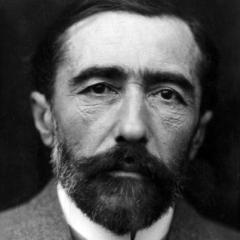
Joseph Conrad
Joseph Conrad, born on December 3, 1857 in Poland and died on August 3, 1924 in the United Kingdom, was a renowned British author of the late 19th and early 20th centuries. He is known for his profound descriptions of maritime life and his insightful explorations of human nature. more
You May Also Like
Source: Tales of Mystery and Imagination
Source: The Golden Notebook
“Life on earth is a transition. Death is final rest of every man. What legacy do you wish to live?”
“Mankind has a divine duty, to be stewardship of the natural resources.”
Source: The Alphabets of Success: Passion Driven Life
Source: SOME DO NOT...
“What's happened with humanity, if was born inhuman man. 26.05.13”