“Best not to look back. Best to believe there will be happily ever afters all the way around- and so there may be; who is to say there will to be such endings? Not all boats which sail away into darkness never find the sun again, or the hand of another child; if life teaches anything at all, it teaches that there are so many happy endings that the man who believes there is no God needs his rationality called into serious question… And if you spare a last though, maybe it’s ghosts you wonder about… the ghosts of children standing in the water at sunset, standing in a circle, standing with their hands joined together, their faces young, sure, but tough… tough enough, anyway, to give birth to the people they will become, tough enough understand, maybe, that the people they will become must necessarily birth the people they were before they can get on with trying to understand simple morality. The circle closes, the wheel rolls, and that’s all there is. You don’t have to look back to see those children; part of you mind wills them forever, live with them forever, love with them forever. They are not necessarily the best part of you, but were once the repository of all you could become. Children I love you. I love you so much. So drive away quick, drive away while the last of the light slips away,drive away from Derry, from memory… but not from desire. That stays, the bright cameo of all we were and all we believed as children, all that shone in our eyes even when we were lost and the wind blew in the night. Drive away and try to keep smiling. Get a little rock and roll on the radio and go toward all the life there is with all the courage you can and all the belief you can muster. Be true, be brave, stand. All the rest is darkness.”
Quote by Stephen King
Book:It
Work
Author
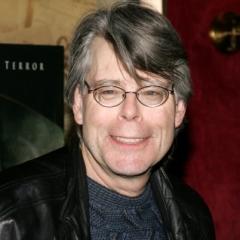
Stephen King
Stephen King, born on September 21, 1947, is a renowned American author. His works primarily focus on horror, fantasy, and science fiction, and have won him a wide audience. King has received numerous literary awards in the United States, including the Edgar Allan Poe Award and the World Fantasy Award. more
You May Also Like
Source: Human Development and Trauma: How Childhood Shapes Us into Who We Are as Adults
Source: Human Development and Trauma: How Childhood Shapes Us into Who We Are as Adults
“With Cosmic Ordering you will never eat humble pie again.”
Source: Cosmic Ordering Guide
Source: Human Development and Trauma: How Childhood Shapes Us into Who We Are as Adults
Source: 4 3 2 1