“Museum architectural search committees have invariably included the Kimbell in their international scouting tours of exemplary art galleries (a practice pioneered by Velma Kimbell, the founder’s widow, in 1964). Those groups no doubt respond to the Kimbell with suitable reverence, but given the buildings they later commissioned, many post-Bilbao museum patrons obviously wanted something quite different. The disparity between Kahn’s museums and recent examples of that genre parallels the discrepancy he saw between postwar Modernism and ancient Classicism: “Our stuff looks tinny compared to it.” At a time when commercial values are systematically corrupting the museum - one of civilized society’s most elevating experiences - the example of Kahn, among the most courageous and successful architectural reformers of all time, seems more relevant and cautionary than ever.”
Quote by Martin Filler
Work
Makers of Modern Architecture: From Frank Lloyd Wright to Frank Gehry (New York Review Books
Browse quotes and source details for this work. more
Author
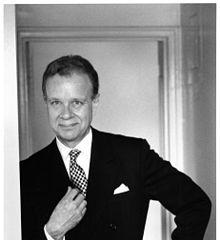
Martin Filler
Martin Filler, born on September 17, 1948, is a prominent figure in the field of [Unknown Profession/Category]. more
You May Also Like
“Museums are secular churches . . . and to steal there is blasphemous.”
Source: The Art Thief: A True Story of Love, Crime, and a Dangerous Obsession
Source: Metropolitan Stories
Source: House Lights
Source: People Love Dead Jews: Reports from a Haunted Present
Source: Metropolitan Stories
“The mountains ahead require a step of faith. Do not lose courage, you shall prevail.”
Source: Coming to Grips with the Mountains and Valleys of This World
Source: The Art Thief: A True Story of Love, Crime, and a Dangerous Obsession
Source: All the Water in the World