“... the smaller the area of choice, the smaller the temptation to take thought.”
Book:1984
“... the smaller the area of choice, the smaller the temptation to take thought.”
George Orwell's '1984' is a seminal work of literature that explores themes of government control, individuality, and the erosion of privacy. The story is set in a future where the world is divided into three superstates, each engaged in perpetual war. The protagonist, Winston Smith, works for the Ministry of Truth and is disillusioned with the oppressive regime. The novel delves into the psychological and societal consequences of living under constant surveillance and the struggle for truth and freedom. more
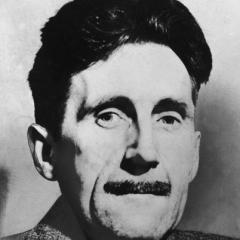
George Orwell, born Eric Arthur Blair, was a British novelist and political critic. Known for his sharp social criticism and profound insights into totalitarianism, Orwell is best remembered for his novels '1984' and 'Animal Farm', which remain influential to this day. more
“هكذا يأتي الفرح فجأة ولا نكون أبدا متأنقين لاستقباله”
“Box and thought don't go together.”
“Montag begins to think, and, as everyone knows, this is disastrous.”
“A single thought can weigh more than a thousand words. And you carry it in nothing but a glance.”
“But I must think, he thought. Because it is all I have left. That and baseball.”
“A remembrance stored anywhere is greater than being forgotten everywhere.”