Quotessence
Home / Quotes / Quote by Suman Pokhrel

Quote by Suman Pokhrel

“कविताको अनुवादमा कविको कल्पनाशक्ति, शब्दकौशल, साङ्गीतिक चेत, ज्ञानको आकार आदि अवयवहरू अनुवादकको सीमितता वा वैशिष्ट्यबाट प्रभावित हुने सम्भावना रहन्छ ।”

Quote by Suman Pokhrel

Work

भारत शाश्वत आवाज [Bharat Shashwat Aawaz]

Browse quotes and source details for this work. more

Author
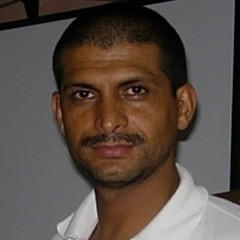
Suman Pokhrel
Suman Pokhrel

Suman Pokhrel, born on September 21, 1967, is a Nepalese poet whose works are known for their profound emotions and critical reflections on social realities. more

You May Also Like

“कविता अर्को भाषामा अनूदित हुनु अघि मूलभाषामै अनुवादकको चेतनाको आकारभित्र खुम्चिने वा फैलिने भइसकेको हुन्छ, अर्को भाषामा अनूदित हुँदा त्यो फेरि अनुवादकको लक्षित भाषाको चेतनावृत्तभित्र अझ खुम्चिने वा अझ फैलिने गर्दछ । त्यसले गर्दा कविताको अनुवादमा कविको कल्पनाशक्ति, शब्द कौशल, साङ्गीतिक चेत, ज्ञानको आकार आदि अवयवहरू अनुवादकको सीमितता वा वैशिष्ट्यबाट प्रभावित हुने सम्भावना रहन्छ ।”

“Farsickness rough translation of fernweh (Ger): the opposite of homesickness. Imagine a love turned out as bread best cast to the rivers, feedings for smaller, far-flung things— fire-flights of stillness, forms alighting, then airborne, until the breeze begins to feel like hunger, the wayward sweep of desire— for the holy wheel rotating foot, breath, and earth, the pilgrim's chaff, frayed and heliocentric, in need of distance as a horizon of prayer to both call and receive.”

“Over the next few years, in the early sixties, everyone in my world was singing Bob Dylan songs. It was as if we were in some worldwide musical stage show and Bob Dylan was writing the lyrics for the entire production. He was writing about freedom, wars, disasters, justice, betrayal, liberty, slavery, outlaws, freight trains, and women; all the usual stuff. And at some point he stopped being a folksinger and a songwriter and he became a warrior poet. For the first time in my life I saw a pen that put swords to shame.”

“I am with you, rafēgh (comrade) By Siavash Kasrai Translation: Darya Saudade --- I am with you, rafēgh (comrade), in wherever you are and struggle. I am your neighbor when, beside the window in the evening's gaze, you hum the people’s anthem to yourself. I walk in step with you when, devoted to anxiety and eagerness, you hand out a nightly leaflet to every passerby in the alley, with the ring of every word, you awaken a heart, a city, a whole homeland. I am with you when among the people, like a restless fish in water, you slide and come and seek, and warn the sleeping of the flood coming. I work alongside you when the body is worn out from work, but, in the fields, the factories, you keep working, you keep working. I am your fellow-sufferer when with the caress of your hands you beckon the child to patience, as if awakening a bud from its slumber I am your fellow inmate when you fill the dragging moments with forgotten memories in the corner of your confinement or in the fever of torture and the throes of anguish. No, my soulmate, my comrade, no, I won’t leave you alone, when at an unknown dawn you sacrifice your life for ideals and love. I am with you, rafēgh, I am with you, rafēgh, In wherever I am and struggle. In wherever you are and struggle.”

“Where is the wine that ever forged its glass? None ever, oh, none ever, For garnet contradiction holds it fast. The cup is but a spill belied, And wine englassed is flow denied. Where is the glass that ever made man fall? None ever, oh, none ever, For trampled grape, disordered dream, and all, Drain down his throat like whispered lies, The glass left empty as his eyes. Where is the poison that was in the wine? Forever, oh, forever It claims his veins to be its vine, Its fruit cold stones, its scent stopped breath, For wine’s true form wreathes through his death.”