“Taken together, the narratives of how the animals ended up at Lowry Park revealed as much about Homo sapiens as they revealed about the animals themselves. The precise details—how and where each was born, how they were separated from their mothers and taken into custody, all they had witnessed and experienced on their way to becoming the property of this particular zoo—could have filled an encyclopedia with insights into human behavior and psychology, human geopolitics and history and commerce. Lowry Park’s very existence declared our presumption of supremacy, the ancient belief that we have been granted dominion over other creatures and have the right to do with them as we please. The zoo was a living catalogue of our fears and obsessions, the ways we see animals and see ourselves, all the things we prefer not to see at all. Every corner of the grounds revealed our appetite for amusement and diversion, no matter what the cost. Our longing for the wildness we have lost inside ourselves. Our instinct to both exalt nature and control it. Our deepest wish to love and protect other species even as we scorch their forests and poison their rivers and shove them toward oblivion. All of it was on display in the garden of captives.”
Quote by Thomas French
Work
Zoo Story: Life in the Garden of Captives
Browse quotes and source details for this work. more
Author
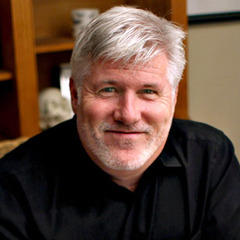
Thomas French
Thomas French is a journalist, the specific birth and death dates are unknown. more
You May Also Like
“The Lord leads us as captives in Chrit's triumphal procession.”
“Empires rename places; kitchens remember who lived there.”
Source: Russian Colonial Food: Journey through the dissolved Communist Empire
Source: Sissy: A Coming-of-Gender Story
Source: Sissy: A Coming-of-Gender Story
“The minority will prove the majority, and the best proof is our freedom fight.”
Source: The Last Innocent Hour