Quotessence
Home / Quotes / Quote by Rosalind Miles

Quote by Rosalind Miles

“The atmosphere of uncertainty, dissatisfaction and fear, though caused by larger crisis, becomes associated with the fact that women now have jobs or are no longer in the home as a warm and welcoming presence. Identified then with the bad feelings of change, women came to be seen as the cause of the badness. And not only to men - but to women too, these strains and dissatisfactions, and being made to take responsibility for being the cause of them, often seems too high a price to pay for their new freedoms.”

Quote by Rosalind Miles

Work

Who Cooked the Last Supper? The Women's History of the World

Browse quotes and source details for this work. more

Author
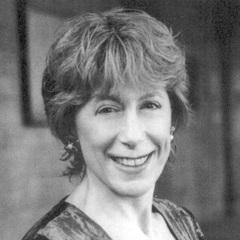
Rosalind Miles
Rosalind Miles

Rosalind Miles is a British author born on January 6, 1943. She is known for her historical novels and biographies, particularly for her stories about medieval women. more

You May Also Like

“Ich hatte mich immer darauf gefreut, alt zu werden, und das auch überall lauthals verkündet. Seit den Heldenanfängen hatte ich eine seltsame Sehnsucht nach dem Jenseits-Davon gehabt, mich auf Partys zielsicher neben Leute aus meiner Elterngeneration gesetzt und mein Alter auf Anfrage eher hoch- als runtergerechnet. Womit ich nicht gerechnet hatte, war das Dazwischen, die uneindeutige, demütigend lange Zeit zwischen Fräuleinwunder und Lebenswerk. Denn das ist es, wofür der Pop keine Toleranz hat. Für Frauen, die ein kleines bisschen alt sind und nicht mehr ganz jung. So wie der Pop auch Frauen wie Beth Ditto und Lizzo feiert, als dickes Feigenblatt einer anorektischen Kultur, durchschnittliche mitteldünne Frauen mit runden Schultern und Hüften aber nicht mal mit der Zange angefasst.”

“It had seemed like the beginning of happiness, and Clarissa is still sometimes shocked, more than thirty years later to realize that it was happiness; that the entire experience lay in a kiss and a walk. The anticipation of dinner and a book. The dinner is by now forgotten; Lessing has been long overshadowed by other writers. What lives undimmed in Clarissa's mind more than three decades later is a kiss at dusk on a patch of dead grass, and a walk around a pond as mosquitoes droned in the darkening air. There is still that singular perfection, and its perfect in part because it seemed, at the time, so clearly to promise more. Now she knows: That was the moment, right then. There has been no other.”

“The feminist rejection of the low view of women that Christianity had imposed upon so many nations had an important consequence for another of the key issues of the women's rights campaign: the demands for education. The ignorance of women had been bound in with Christian dogma - Eve's sin consisted of reaching out for the tree of knowledge, so her punishment was to be forever deprived of it. Unchallenged for centuries, this attitude produced generations of women doomed to be brought up in mental darkness and then condemned as stupid: "We are educated to the grossest ignorance, and no art omitted to stifle our natural reason," complained Lady Mary Wortley Montagu bitterly in the eighteenth century.”

“The cultivation world did not care about wedding attendants, and would not have the female cultivator wear a veil. Supposedly, a thousand years ago, a male cultivator from the mortal world wanted the female cultivator he was marrying to wear a veil. The female cultivator then beat him up. After the beating, the female cultivator said, what bad habit was this? Other men could not look at a woman’s face at the wedding banquet but a man’s face could be seen by other women? Their path union ceremony was cancelled because of this. The male cultivator’s tragic and true experience helped speed up the equality between genders in the cultivation world. At least, not many male cultivators dared to have female cultivators do things that they themselves were not willing to do.”