Quotessence
Home / Quotes / Quote by Evelyn Waugh

Quote by Evelyn Waugh

“As a rule there is one thing you can always count on in our job — popularity. There are plenty of disadvantages I grant you, but you are liked and respected. Ring people up any hour of the day or night, butt into their houses uninvited make them answer a string of damn fool questions when they want to do something else — they like it. Always a smile and the best of everything for the gentlemen of the Press.”

Quote by Evelyn Waugh

Book:Scoop

Work

Scoop

Browse quotes and source details for this work. more

Author

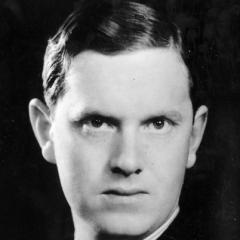
Evelyn Waugh
Evelyn Waugh

British writer known for his satirical and humorous style, with notable works including 'Vile Bodies' and 'Brideshead Revisited'. Waugh is renowned for his profound insights into 20th-century British society and culture. more

You May Also Like

“وَأَديبِ قَومٍ تَستَحِقُّ يَمينُهُ قَطعَ الأَنامِلِ أَو لَظى الإِحراقِ يَلهو وَيَلعَبُ بِالعُقولِ بَيانُهُ فَكَأَنَّهُ في السِحرِ رُقيَةُ راقي في كَفِّهِ قَلَمٌ يَمُجُّ لُعابُهُ سُمّاً وَيَنفِثُهُ عَلى الأَوراقِ يَرِدُ الحَقائِقَ وَهيَ بيضٌ نُصَّعٌ قُدسِيَّةٌ عُلوِيَّةُ الإِشراقِ فَيَرُدُّها سوداً عَلى جَنَباتِها مِن ظُلمَةَ التَمويهِ أَلفُ نِطاقِ عَرِيَت عَنِ الحَقِّ المُطَهَّرِ نَفسُهُ فَحَياتُهُ ثِقلٌ عَلى الأَعناقِ لَو كانَ ذا خُلُقٍ لَأَسعَدَ قَومَهُ بِبَيانِهِ وَيَراعِهِ السَبّاقِ”

“I would be happy to take credit for all of the wonderful experiences I describe in my novels, but my life isn’t quite that rich. Unfortunately we authors are sometimes forced to use other people’s lives, too.” “Sounds rather beastly,” the journalist laughed. “Or maybe writers are like vultures. Some people feel we journalists are.” He mimicked a bird of prey and grinned.”

“When I came to the Middle East, journalists had a kind of immunity that allowed us to travel freely and meet with militants who hated Israel and the United States. In 2000, when I was working for Agence France-Presse, I didn’t feel fearful when I went to Gaza to meet with Hamas leaders or to the West Bank to speak to Palestinian gunmen. These men didn’t much like me. We didn’t have anything in common. But they felt that they had to treat me with common decency and a modicum of respect because I was a journalist and I was writing about them. They wanted to spin me so that I would give the world their version of events. They were never completely happy, of course, because my pieces didn’t make them look as perfect as they looked to themselves. But they needed to talk to me and other reporters because we were the only way they could get their story out. Now jump ahead to 2006. Zarqawi was on his killing spree in Iraq, and suddenly the Internet had become ubiquitous, and uploading videos on YouTube and other platforms was literally child’s play. So Zarqawi and his henchmen said to themselves, “Why should we let reporters interview us and filter what we say? We can go straight to the Internet and say exactly what we want, for as long as we want to say it, and we can post videos that Western journalists would never show.” Journalists became worthless, at least as megaphones. But we became valuable as commodities to be stolen, bought, and sold, traded for prisoners, or ransomed for millions.”

“In a room full of journalists someone would already be doing an impersonation of the Robot Man. We’d also make fun of the smarmy host, who is a bit like Tom Bergeron, host of Hollywood Squares, America’s Funniest Home Videos, and Dancing with the Stars, only cheesier, which is remarkable because Tom Bergeron is already the gold standard of cheesiness, and yet here is this total amateur, this complete unknown, blowing Bergeron away.”