“Il y a sous la société, insistons-y, et, jusqu’au jour où l’ignorance sera dissipée, il y aura la grande caverne du mal. Cette cave est au-dessous de toutes et est l’ennemie de toutes. C’est la haine sans exception. Cette cave ne connaît pas de philosophes ; son poignard n’a jamais taillé de plume. Sa noirceur n’a aucun rapport avec la noirceur sublime de l’écritoire. Jamais les doigts de la nuit qui se crispent sous ce plafond asphyxiant n’ont feuilleté un livre ni déplié un journal. Babeuf est un exploiteur pour Cartouche ! Marat est un aristocrate pour Schinderhannes. Cette cave a pour but l’effondrement de tout. De tout. Y compris les sapes supérieures, qu’elle exècre. Elle ne mine pas seulement, dans son fourmillement hideux, l’ordre social actuel ; elle mine la philosophie, elle mine la science, elle mine le droit, elle mine la pensée humaine, elle mine la civilisation, elle mine la révolution, elle mine le progrès. Elle s’appelle tout simplement vol, prostitution, meurtre et assassinat. Elle est ténèbres, et elle veut le chaos. Sa voûte est faite d’ignorance. Toutes les autres, celles d’en haut, n’ont qu’un but, la supprimer. C’est là que tendent, par tous leurs organes à la fois, par l’amélioration du réel comme par la contemplation de l’absolu, la philosophie et le progrès. Détruisez la cave Ignorance, vous détruisez la taupe Crime. Condensons en quelques mots une partie de ce que nous venons d’écrire. L’unique péril social, c’est l’Ombre. Humanité, c’est identité. Tous les hommes sont la même argile. Nulle différence, ici-bas du moins, dans la prédestination. Même ombre avant, même chair pendant, même cendre après. Mais l’ignorance mêlée à la pâte humaine la noircit. Cette incurable noirceur gagne le dedans de l’homme et y devient le Mal.”
Quote by Victor Hugo
Work
Victor Hugo's epic tale follows the lives of various characters, including Jean Valjean, a former convict seeking a second chance at life, and the compassionate Bishop Myriel. The story delves into the social and political turmoil of the time, highlighting the struggles of the poor and the corrupt. more
Author
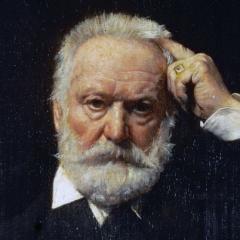
Victor Hugo, a French romantic poet, novelist, and playwright, was born on February 26, 1802, and died on May 22, 1885. He is considered one of the greatest writers in French literary history, known for his profound humanistic concerns and rich imagination. more
You May Also Like
“When things get bad, they don't stop until you stop the badness-or die.”
“Religion will be a fanciful necessary evil, to kill millions with nuclear weapons. - Sixeye”
“When the coffers are empty and their bellies growl, even good men turn bad.”