“The only part of evolution in which any considerable interest is felt is evolution applied to man. A hypothesis in regard to the rocks and plant life does not affect the philosophy upon which one's life is built. Evolution applied to fish, birds and beasts would not materially affect man's view of his own responsibilities except as the acceptance of an unsupported hypothesis as to these would be used to support a similar hypothesis as to man. The evolution that is harmful—distinctly so—is the evolution that destroys man's family tree as taught by the Bible and makes him a descendant of the lower forms of life. This ... is a very vital matter.”
Quote by William Jennings Bryan
Author
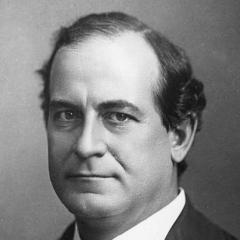
William Jennings Bryan
William Jennings Bryan, born on March 19, 1860, and died on July 26, 1925, was a prominent American politician, lawyer, orator, and writer. He was known for his active participation in political and religious affairs and left a profound mark on American history. more
You May Also Like
Source: Static Jedi: The Art of Hearing God Through the Noise
Source: This Brilliant Darkness
Source: The Bride Stripped Bare By Her Bachelors, Even
“The Bible is just a book. But, you choose whether to prove it's all true or nothing.”
Source: A Young Man After God's Own Heart: Turn Your Life into an Extreme Adventure
“Whatsoever ye shall ask in prayer, believing, ye shall receive. (Matthew 21:22)”
Source: The Dark Side: How Evangelical Teachings Corrupt Love and Truth
“The poor you will always have with you,' Jesus said. A warning, Emilio wondered, or an indictment?”
Source: The Sparrow
“Just because you can explain it doesn't mean it's not still a miracle.”
Source: Small Gods