“Roland: Riddle me this, Blaine: If you break me, I'll not stop working. If you can touch me, my work is done. If you lose me, you must find me with a ring soon after. What am I? Susannah's breath caught for a moment, and although he was looking down, Eddie knew she was thinking what he was thinking: that was a good one, a damned good one, maybe- Blaine: (still without hesitation) THE HUMAN HEART. THIS RIDDLE IS BASED IN LARGE PART UPON HUMAN POETIC CONCEITS; SEE FOR INSTANCE JOHN AVERY, SIRONIA HUNTZ, ONDOLA, WILLIAM BLAKE, JAMES TATE, VERONICA MAYS, AND OTHERS. IT IS REMARKABLE HOW HUMAN BEINGS PITCH THEIR MINDS ON LOVE. YET IT IS CONSTANT FROM ONE LEVEL OF THE TOWER TO THE NEXT, EVEN IN THESE DEGENERATE DAYS. CONTINUE, ROLAND OF GILEAD.”
Quote by Stephen King
Book:Wizard and Glass
Work
Wizard and Glass
This book is the second installment in a series, following the adventures of a wizard in a richly detailed fantasy universe. more
Author
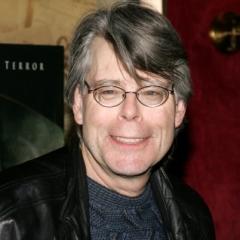
Stephen King
Stephen King, born on September 21, 1947, is a renowned American author. His works primarily focus on horror, fantasy, and science fiction, and have won him a wide audience. King has received numerous literary awards in the United States, including the Edgar Allan Poe Award and the World Fantasy Award. more
You May Also Like
Source: Spice Road
“When someone listens to his heart. Than he Uses a big law of success.”
Source: A Court of Mist and Fury
“Shadows are our reflection but even a light heart has a dark shadow.”
“All broken things. Augmented with hope of Gold. A new Kentsugi Heart. (Haiku)”
Source: Another World
Source: The Night Stalker
Source: The Passenger
Source: The Passenger