Quotessence
Home / Quotes / Quote by Siri Hustvedt

Quote by Siri Hustvedt

“Art cannot be fixed to a single location because lived experience is not left behind in the room where the object rests unseen at night after the museum has closed its doors. The art object travels in many bodies in multiple forms and it speaks and writes and sings in many languages.It is a living thing.”

Quote by Siri Hustvedt

Work

Mothers, Fathers, and Others: Essays

Browse quotes and source details for this work. more

Author
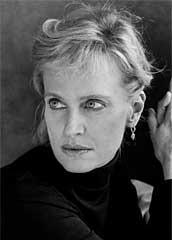
Siri Hustvedt
Siri Hustvedt

Siri Hustvedt is an American novelist born on February 19, 1955. Her works are known for their deep psychological insights and exploration of female experiences. Hustvedt's novels often blend philosophy, literature, and psychology, showcasing complex characters and inner worlds. more

You May Also Like

“يرضّ الجدري جسد أيوب عليه السلام، تتشتت أسرته، تتبعثر أملاكه، أكثر الناس تفاؤلا يفقد الأمل في شفائه، وهو صابر محتسب! تشتعل الأسقام في جسده وهو منكّس الرأس لمولاه، وبعد سنوات البلاء، يندّ من شفتيه دعاء حيي، دعاء منكّس رأسه بذلة، دعاء ممتلئ باليقين: "أنّي مسني الضر وأنت أرحم الراحمين”

“The vital roles that schema and pattern play in Archaic art can be considered symptoms of a larger Greek demand for regularity and order which extends beyond the realms of representational art into architecture, poetry, and philosophy and beyond the limits of the Archaic period itself. The language of Homer is highly ordered: its formulae were originally patterns for the ear. Hesiod's Theogony imposes patterns on gods and heroes by putting each in his genealogical place, and his Works and Days moves from a particular instance of injustice to universal truths and patterns of human activity. Archaic poetry in general is full of literary schemata or conventions, and Archaic poets express thought and meaning through the harmony of opposites. Archilochos detected a rhysmos (pattern) even in the rise and fall of human fortunes. The philosophers of Miletos attempted to fit nature to preconceived patterns and so to extract order from apparent chaos. Pythagoras (or his followers) ordered the world through number. The urge to impose kosmos (order) on the nature of things is not peculiar to the Archaic mind – in Xenophon's Oikonomikos Sokrates reports that all things, even pots and pans, look more beautiful when they are kept in order, and even the space between them looks beautiful – but is nonetheless particularly characteristic of it.”

“We leaned even closer and pressed our foreheads together for consolation, as a promise, fingers entwined, and it was like the last application of color to the canvas, the moment when you know this is what had been waiting to be completed, this is what had existed somewhere, even if just in your imagination. You have brought it isn't the richness of being. Layer up on layer of color, and when the final one is applied, gold bursts upon the back of your closed eyelids.”