“I see a role for specialized knowledge, but I think that it's important for there to be an arena where it is shared, where it is communicated. It's not that somebody shouldn't have specialized knowledge. The ability to dig a trench and lay a cable is a kind of specialized knowledge. Farmers have specialized knowledge, too. The question is: what sort of knowledge is privileged in our societies? I don't think that a CEO is more valuable to society and ought to be paid ten million dollars a year, while farmers and laborers starve. The range of what is valued has become so extreme that one lot of people have captured it and left three-quarters of the world to live in unthinkable poverty, because their work is not valued. What would happen if the sweepers of the city went on strike or the sewage system didn't work? A CEO wouldn't be able to deal with his own shit.”
Quote by Arundhati Roy
Work
The Checkbook and the Cruise Missile: Conversations With Arundhati Roy
Browse quotes and source details for this work. more
Author
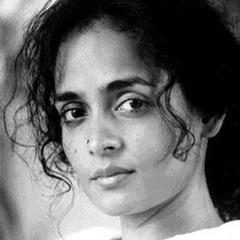
Arundhati Roy
Arundhati Roy is an Indian author best known for her novel 'The God of Small Things', which won the Booker Prize in 1997. Her works often explore social and political issues such as class, race, and gender. more
You May Also Like
“To be unable to read was the ultimate measure of wretchedness.”
Source: The Greater Journey: Americans in Paris
“Poverty doesn't make parents unfit any more than wealth deems them appropriate.”
Source: A Home for My Heart
Source: Hold Tight, Don't Let Go
Source: La mujer justa
Source: No Time to Say Goodbye: A Memoir of a Life in Foster Care.
Source: No Time to Say Goodbye: A Memoir of a Life in Foster Care
Source: Flaws of Oblivion
Source: The Short and Tragic Life of Robert Peace: A Brilliant Young Man Who Left Newark for the Ivy League
“The poor stay poor here because they do not save enough.”
Source: Poor Economics: A Radical Rethinking of the Way to Fight Global Poverty