“Elder Maxwell on Wintry Doctrines Elder Maxwell said that “if we are serious about our discipleship Jesus will eventually request each of us to do those very things which are most difficult for us to do.” This was what he came to call the wintry doctrine at the funeral of a young father in 1996 he put it this way “There are in the gospel warm and cuddly doctrines and then there are some that are just outright wintry doctrines… one of them frankly is that we cannot approach real consecration without passing through appropriate clinical experiences because we don’t achieve consecration in the abstract. … sometimes therefore the best people have the worst experiences… because they are the most ready to learn.” (Bruce C. Hafen, The Story of A Disciple’s Life: Preparing the Biography of Neal A. Maxwell, p. 14)”
Quote by Neal A. Maxwell
Author
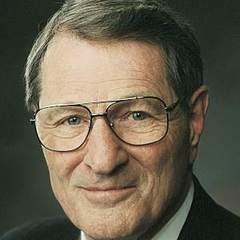
Neal A. Maxwell
Neal A. Maxwell was a significant figure in the field of 【Identity Positioning】. Born on July 6, 1926, and passing away on July 21, 2004, his life was marked by notable achievements and contributions that have had a profound impact on the field, earning him widespread recognition in 【Influence Evaluation】. more
You May Also Like
Source: Crossing
Source: Questions of the Spirit: The Quest for Understanding at a Time of Loss
Source: Crossing
Source: Crossing
“Worries and sufferings are helpful for (one’s) spiritual development.”
“no matter what you call him...we all pray to the same source”
Source: Questions of the Spirit: The Quest for Understanding at a Time of Loss
“If anyone understands, it's Jesus.”
Source: Man of Sorrows