“I read the stories I've been told in my own way and make a narrative of them. Narrative is a chain of links, and I link furiously, merrily hurdling over holes, gaps, and secrets. Nevertheless, I try to remind myself that the holes are there. They are always there, not only in the lives of others but in my own life as well.”
Quote by Siri Hustvedt
Work
A Plea for Eros: Essays
This work presents a series of reflective essays that examine the nature of eros and its expression in human experience. The writing delves into questions of love, attraction, and the emotional bonds that connect people. Through literary analysis and personal reflection, the essays probe the complexities of desire and its role in art, relationships, and daily life. The collection offers readers an intellectual exploration of how eros shapes human perception and interaction with the world. more
Author
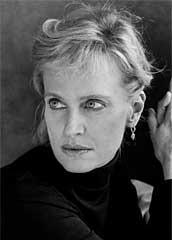
Siri Hustvedt
Siri Hustvedt is an American novelist born on February 19, 1955. Her works are known for their deep psychological insights and exploration of female experiences. Hustvedt's novels often blend philosophy, literature, and psychology, showcasing complex characters and inner worlds. more
You May Also Like
“ความเคยชินเป็นศัตรูกับความคิดสร้างสรรค์”
Source: อาจารย์ในร้านคุกกี้
“We both knew no bounds to our escapism.”
Source: Sonora
Source: Sway
Source: The UnPeopled Season: Journal from a North Country Wilderness
“Set your imagination free and do your best to keep up with it.”
“I imagined, too. And so imagination became my nemesis; my mind created monsters out of nothing.”
Source: The Song Rising
“You should only be scared of your imagination because it'll haunt you at night”
Source: Tolkien On Fairy-stories