Quotessence
Home / Quotes / Quote by Plato

Quote by Plato

“There are two things which should be cultivated in the soul: first, the greatest courage; secondly, the greatest fear.”

Quote by Plato

Work

Laws, Books 1-6

Browse quotes and source details for this work. more
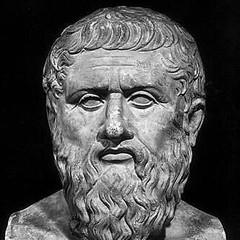
Author

Plato
Plato

Plato (428 BC - 348 BC) was a prominent Greek philosopher, one of the most influential figures in Western philosophy. He founded the Academy, which was the first institution of higher education in the Western world. Plato's philosophy, centered around the theory of Forms, emphasized the importance of reason and morality. more

You May Also Like

“Just like the Little Seahorse, you can choose to be courageous. Always speak up for what you want, even if you feel nervous asking for help. When you are brave and ask for assistance, you have the opportunity to make new friends. The world becomes a happier and friendlier place for everyone.”

“I have observed that radical faith is so convicting to doubters, the lukewarm, the halfhearted and the religious who have re-scripted the Bible in a way that requires them to live only in the realm of reason. The truth is, you have to either be the next one out of the boat or find some spiritual excuse to relieve your cowardliness.”

“Courage, intellect, all the masterful qualities, serve but to make a man more evil if they are merely used for that man’s own advancement, with brutal indifference to the rights of others. It speaks ill for the community if the community worships these qualities and treats their possessors as heroes regardless of whether the qualities are used rightly or wrongly. It makes no difference as to the precise way in which this sinister efficiency is shown. It makes no difference whether such a man’s force and ability betray themselves in a career of money-maker or politician, soldier or orator, journalist or popular leader. If the man works for evil, then the more successful he is the more he should be despised and condemned by all upright and far-seeing men. To judge a man merely by success is an abhorrent wrong; and if the people at large habitually so judge men, if they grow to condone wickedness because the wicked man triumphs, they show their inability to understand that in the last analysis free institutions rest upon the character of citizenship, and that by such admiration of evil they prove themselves unfit for liberty.”