Quotessence
Home / Quotes / Quote by Frank Herbert

Quote by Frank Herbert

Work

DUNE

Frank Herbert's 'DUNE' is a seminal work in the science fiction genre, known for its intricate world-building and complex political intrigue. The story follows Paul Atreides, a young nobleman who must navigate a treacherous landscape of political machinations and religious fervor. The novel is set on the desert planet Arrakis, which is rich in a valuable resource known as melange, essential for interstellar travel. 'DUNE' explores themes of religion, politics, ecology, and the human condition, and has been praised for its depth and philosophical musings. more
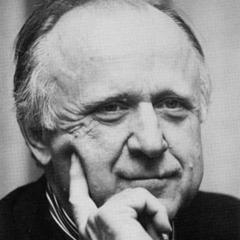
Author

Frank Herbert
Frank Herbert

Frank Herbert, born on October 8, 1920, was an influential science fiction author from the United States. His masterpiece 'Dune' is considered a classic in the science fiction genre and has had a profound impact on literature and society. more

You May Also Like

“Whether we know it or choose to admit it, we are either an Encourager or a Discourager. We each make a choice as to which type we will be… every day. Discouragers bring “stresspools.” I call any of those places that add unnecessary stress and aggravation “stresspools.” They are just as stinky and rotten as cesspools, but “stresspools” wreak of tension, strain, anxiety, worry, hassle, pressure, and emotional trauma.”

“Why I Cannot Relate "What do you think of this piece?" Someone will ask About some work or form of expression in time What does it mean? They want Me To tell them my thoughts But sometimes My thoughts run so deep I cannot tell them So instead I want to say i DoNt KnOw Because that is the only thing that makes sense to them I cannot relate sometimes Frustration of society So I seclude myself But I actually would like to find that one person Who would like to know those thoughts I cannot express That person will take the time To relate Truly understand So that way when I say i DoNt KnOw They will actually realize That I know much more.”

“Ah! candid and unadulterated mind! you have learned early to reflect; but take care lest this habit, hitherto so well applied, should totally unfit you for society. It will strew thorns in your path, while other young women of your age seek only flowers. By imagining yourself in the place of others, as you now continually do, you will learn to feel for all the unhappy, or even for those who appear so; whereas it might save a great deal of (for the most part useless) pain, if you could contrive to feel only for yourself.”