“For if we think of this existence of the individual as a larger or smaller room, it becomes clear that most people get to know only one corner of their room, a window seat, a strip of floor which they pace up and down.”
Quote by Rainer Maria Rilke
Work
Letters to a Young Poet
This book is a compilation of personal correspondence between a famous poet and a young individual seeking advice on poetry and the creative process. The letters delve into the complexities of artistic expression, the challenges of living as a poet, and the importance of self-discovery and authenticity in one's work. more
Author
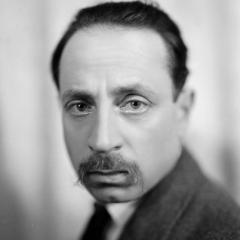
Rainer Maria Rilke
German poet known for his profound poetry and epistolary works. Rainer Maria Rilke's poetry style is unique, often exploring themes such as loneliness, love, and religious faith. more
You May Also Like
Source: The Moving Finger
“It is the nature of love that makes us see our loved one in their uniqueness and individuality.”
Source: Yes to Life: In Spite of Everything
“When I was younger, not fitting in felt like a flaw. Now it feels like freedom.”
“Originals cost more than imitations.”
Source: Rise Up and Salute the Sun: The Writings of Suzy Kassem
Source: Midnight in the Garden of Good and Evil
Source: Lord Jim
Source: Healing Hearts: A Memoir of a Female Heart Surgeon
Source: Prowadź swój pług przez kości umarłych