“She saw the birth unfolding, saw the small creature with those strangely wise eyes that seemed to belong to every newborn. And then the years rushing on, the child growing, faces taking the shape they would carry into old age. But not all. As mother after mother stepped through her, futures flashed bright, and some died quickly indeed. Fraught, flickering sparks, ebbing, winking out, darkness rushing in. And at these she cried out, filled with anguish even as she understood that souls travelled countless journeys, of which only one could be known by a mortal, so many, in countless perturbations, and that the loss belonged only to others, never to the child itself, for in its inarticulate, ineffable wisdom, understanding was absolute; the passage of life that seemed tragically short could well be the perfect duration, the experience complete. Others, however, died in violence, and this was a crime, an outrage against life itself. Here, among these souls, there was fury, shock, denial. There was railing, struggling, bitter defiance.”
Quote by Steven Erikson
Work
Browse quotes and source details for this work. more
Author
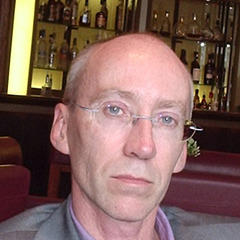
Steven Erikson (born October 7, 1959) is a renowned Canadian novelist, best known for his epic fantasy series Malazan Book of the Fallen. Born in Toronto, he holds a background in archaeology and anthropology, having worked on archaeological projects in Canada and the UK. Erikson's writing is characterized by complex world-building, multi-perspective narratives, and profound philosophical themes, blending history, mythology, and human nature. The Malazan series is widely regarded as a landmark in modern fantasy literature, influencing countless readers and writers. His works have been nominated for major awards, including the World Fantasy Award and the British Fantasy Award. more
You May Also Like
“I am afraid of tomorrow, and all the tomorrows after...”
“Grief returns with the revolving year. - Adonais”
“I was furious. It was as if staying alive just gave everyone else time to leave you.”