Quotessence
Home / Quotes / Quote by John Burroughs

Quote by John Burroughs

“Summer is more wooing and seductive, more versatile and human, appeals to the affections and the sentiments, and fosters inquiry and the art impulse. Winter is of a more heroic cast, and addresses the intellect. The severe studies and disciplines come easier in winter. One imposes larger tasks upon himself, and is less tolerant of his own weaknesses...The simplicity of winter has a deep moral. The return of nature, after such a career of splendor and prodigality, to habits so simple and austere, is not lost either upon the head or the heart. It is the philosopher coming back from the banquet and the wine to a cup of water and a crust of bread.”

Quote by John Burroughs

Author
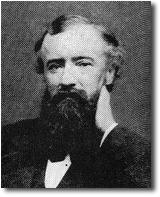
John Burroughs
John Burroughs

John Burroughs (April 3, 1837 – March 29, 1921) was an American essayist and naturalist, widely regarded as the father of American nature writing. Born in Roxbury, New York, he worked as a teacher and journalist before dedicating himself to observing and writing about nature. His works, such as Wake-Robin and Winter Sunshine, are celebrated for their vivid descriptions and philosophical depth. A close friend of poet Walt Whitman, Burroughs emphasized the spiritual connection between humans and the natural world. His writings influenced early conservation movements and continue to inspire readers today. more

You May Also Like

“In the dry places, men begin to dream. Where the rivers run sand, there is something in man that begins to flow. West of the 98TH Meridian - where it sometimes rain and it sometimes doesn’t – towns, like weeds, spring up when it rains, dry up when it stops. But in a dry climate, the husk of the plant remains. The stranger might find, as if preserved in amber, something of the green life that was once lived there, and the ghosts of men who have gone on to a better place. The withered towns are empty, but not uninhabited. Faces sometimes peer out from the broken windows, or whisper from the sagging balconies, as if this place – now that is dead – had come to life. As if empty it is forever occupied. Reproduced in THE BORSCHT BELT from The Works of Love by Wright Morris by permission of the University of Nebraska Press. Copyright 1949, 1951 by Wright Morris.”

“The respectable London druggists, in widely remote quarters of London, from whom I happened lately to be purchasing small quantities of opium, assured me, that the number of amateur opium-eaters (as I may term them) was, at this time, immense; and that the difficulty of distinguishing these persons, to whom habit had rendered opium necessary, from such as were purchasing it with a view to suicide, occasioned them daily trouble and disputes.”

“Günümüzde insanlar artık sefalet tarafından değil, tüketim tarafından kuşatılmıştır. On dokuzuncu yüzyılda olduğu gibi, bir başka bir biçimde de olsa, insanlar kendilerini gün boyu çalışmaya, fazla mesai yapmaya, işe bağlı kalmaya zorlayan (bir ev, mobilya ... satın almışlarsa) bir borç sistemi içine sürekli kapatılmışlardır. Televizyon imajlarını tüketim nesneleri olarak sunar ve on dokuzuncu yüzyılda insanların yapmalarından onca korkulmuş olan şeyi yapmalarını engeller.”

“Paige'le birbirimize bakıyoruz. Gerçekte kim olduğumuzu bilerek bakıyoruz. İlk kez. Hayatımızın geri kalanını, dünyanın bize kim olduğumuzu söylemesine izin vererek geçirebiliriz. Akıllı veya deli. Aziz veya seks bağımlısı. Kahraman veya kurban. Tarihe bırakırız, iyi mi yoksa kötü mü olduğumuzu söylemeyi. Geçmişimizin geleceğimizi belirlemesine izin verebiliriz. Ya da kendi adımıza karar verebiliriz. Ve belki de bizim işimiz daha iyi bir şey icat etmektir.”

“In mathematics, in physics, people are concerned with what you say, not with your certification. But in order to speak about social reality, you must have the proper credentials, particularly if you depart from the accepted framework of thinking. Generally speaking, it seems fair to say that the richer the intellectual substance of a field, the less there is a concern for credentials, and the greater is concern for content.”