Quotessence
Home / Quotes / Quote by Ally Condie

Quote by Ally Condie

Work

Crossed

In a world ravaged by a virus that has turned its victims into mindless, zombie-like creatures, 'Crossed' follows the struggles of a group of survivors navigating the treacherous landscape. The story explores themes of survival, morality, and the human spirit in the face of overwhelming adversity. more
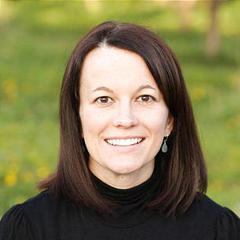
Author

Ally Condie
Ally Condie

Ally Condie is an American novelist born on November 2, 1971. She is known for her young adult literature and science fiction novels, with her most famous work being the 'Matched' trilogy. This series has gained immense popularity for its unique love story and profound exploration of the future society. more

You May Also Like

“We Let the Boat Drift I set out for the pond, crossing the ravine where seedling pines start up like sparks between the disused rails of the Boston and Maine. The grass in the field would make a second crop if early autumn rains hadn't washed the goodness out. After the night's hard frost it makes a brittle rustling as I walk. The water is utterly still. Here and there a black twig sticks up. It's five years today, and even now I can't accept what cancer did to him -- not death so much as the annihilation of the whole man, sense by sense, thought by thought, hope by hope. Once we talked about the life to come. I took the Bible from the nightstand and offered John 14: "I go to prepare a place for you.""Fine. Good," he said. "But what about Matthew? 'You, therefore, must be perfect, as your heavenly Father is perfect.'" And he wept. My neighbor honks and waves driving by. She counsels troubled students; keeps bees; her goats follow her to the mailbox. Last Sunday afternoon we went canoeing on the pond. Something terrible at school had shaken her. We talked quietly far from shore. The paddles rested across our laps; glittering drops fell randomly from their tips. The light around us seemed alive. A loon-itinerant- let us get quite close before it dove, coming up after a long time, and well away from humankind”

“Nem csak hazai terepen futottam, hanem sokfelé. A levegő áramlásával együtt fogadtam be idegen városokat és tájakat. Ha nem a lábával, hanem a fejével fut az ember, miként Lovelock, akkor a kívánatos izommunka jellegét és mértékét a légzés ritmusával állítja be. Az egyenletes légzés köti meg a látványt a futó emlékezetében. S ha figyelme arányosan oszlik meg a horizont és a testéhez mért háromlépésnyi távolság között, akkor egy idő után a testi valójával sem kell törődnie. A látvány erősebb a testi érzeténél. Növényvédő szerektől bűzlő, homokszürkére pusztított spárgaföldeken futottam át Hollandiába. Harmattól tocsogó, vad mezei ösvényeken futottam át Franciaországba. Elemi élvezetet okozott büntetlenül átfutni az államhatárokon. Csupán a párázó testemmel, csupasz lélegzetemmel tudtam volna magam igazolni. Igen, ez bizony én vagyok.”

“Nem érted, mi történik, még soha nem éltél át hasonlót, mégis pontosan tudod, hogy ezt nevezik halálverítéknek. Jéghideg van önnön forróságod felszínén. Miközben látod, hogy körülötted semmi nem változott meg, s így azért azt is fölfogod, hogy a saját észleléseid és a mások észlelései között nagyobb a különbség, mint amennyi megszokott és elvárható. Olyan szenzációban van részem, ami engem érint, a többieket nem. Már kora reggel igen távol voltam tőlük, s ezek szerint most még távolabb. Nem veri ki őket olyan forróság, aminek jéghideg páncél a felszíne. Igazán nem gondoltam volna, hogy ilyen közel állnék vadidegen emberekhez, most azonban a halálfélelemtől kikerekedett szemekkel fogtam fel, hogy egymáshoz kölcsönösen igazodva, minden pillanatban másokon mérjük be a magunk helyzetét, és magunkon ellenőrizzük a másikét.”

“A napfénytől felforrósodott néma lakásban, történjen bármi, biztonságban éreztem magam. A rejtekhely biztonsága fontosabb a levegőnél. Távol lenni mindentől és mindenkitől. Annál azért már többre tartja magát az ember, hogy a saját egoizmusát, más néven az állatiasságát elfogadja. Nem gondoltam az égvilágon senkire. Nem volt levegő. Arra sem gondoltam, hogy valakire gondolnom kéne, vagy lenne lény a földön, akire nem gondolok. Halála óráján tényleg egyedül marad az ember, ezt azonban a nyereség oldalán kell elkönyvelni.”