Quotessence
Home / Quotes / Quote by Robert A. Heinlein

Quote by Robert A. Heinlein

Work

Stranger in a Strange Land

Published in 1961, this novel follows the story of Valentine Michael Smith, an Earthman raised on Mars, as he returns to Earth and navigates human society. The book combines elements of science fiction with philosophical and religious ideas, creating a unique and thought-provoking narrative. more

Author
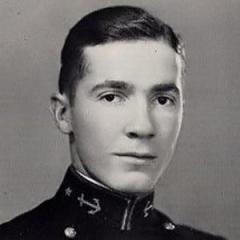
Robert A. Heinlein
Robert A. Heinlein

Robert A. Heinlein was an American science fiction writer, hailed as a master in the field of science fiction. His works have had a profound impact on the development of science fiction literature, with classics such as 'Starship Troopers' and 'The Time Machine'. more

You May Also Like

“As all this suggests our relationship with evidence is seldom purely a cognitive one. Vilifying menstruating women bolstering anti-Muslim stereotypes murdering innocent citizens of Salem plainly evidence is almost always invariably a political social and moral issue as well. To take a particularly stark example consider the case of Albert Speer minister of armaments and war production during the Third Reich close friend to Adolf Hitler and highest-ranking Nazi official to ever express remorse for his actions. In his memoir Inside the Third Reich Speer candidly addressed his failure to look for evidence of what was happening around him. "I did not query a friend who told him not to visit Auschwitz I did not query Himmler I did not query Hitler " he wrote. "I did not speak with personal friends. I did not investigate for I did not want to know what was happening there... for fear of discovering something which might have made me turn away from my course. I had closed my eyes." Judge William Stoughton of Salem Massachusetts became complicit in injustice and murder by accepting evidence that he should have ignored. Albert Speer became complicit by ignoring evidence he should have accepted. Together they show us some of the gravest possible consequences of mismanaging the data around us and the vital importance of learning to manage it better. It is possible to do this: like in the U.S. legal system we as individuals can develop a fairer and more consistent relationship to evidence over time. By indirection Speer himself shows us how to begin. I did not query he wrote. I did not speak. I did not investigate. I closed my eyes. This are sins of omission sins of passivity and they suggest correctly that if we want to improve our relationship with evidence we must take a more active role in how we think must in a sense take the reins of our own minds. To do this we must query and speak and investigate and open our eyes. Specifically and crucially we must learn to actively combat our inductive biases: to deliberately seek out evidence that challenges our beliefs and to take seriously such evidence when we come across it.”

“On the black earth on which the ice plants bloomed, hundreds of black stink bugs crawled. And many of them stuck their tails up in the air. "Look at all them stink bugs," Hazel remarked, grateful to the bugs for being there. "They're interesting," said Doc. "Well, what they got their asses up in the air for?" Doc rolled up his wool socks and put them in the rubber boots and from his pocket he brought out dry socks and a pair of thin moccasins. "I don't know why," he said. "I looked them up recently--they're very common animals and one of the commonest things they do is put their tails up in the air. And in all the books there isn't one mention of the fact that they put their tails up in the air or why." Hazel turned one of the stink bugs over with the toe of his wet tennis shoe and the shining black beetle strove madly with floundering legs to get upright again. "Well, why do you think they do it?" "I think they're praying," said Doc. "What!" Hazel was shocked. "The remarkable thing," said Doc, "isn't that they put their tails up in the air--the really incredibly remarkable thing is that we find it remarkable. We can only use ourselves as yardsticks. If we did something as inexplicable and strange we'd probably be praying--so maybe they're praying." "Let's get the hell out of here," said Hazel.”