“Ortodoxia înseamnă a nu gândi - a nu avea nevoie să gândești. Ortodoxia înseamnă lipsa conștiinței.”
Book:1984
“Ortodoxia înseamnă a nu gândi - a nu avea nevoie să gândești. Ortodoxia înseamnă lipsa conștiinței.”
George Orwell's '1984' is a seminal work of literature that explores themes of government control, individuality, and the erosion of privacy. The story is set in a future where the world is divided into three superstates, each engaged in perpetual war. The protagonist, Winston Smith, works for the Ministry of Truth and is disillusioned with the oppressive regime. The novel delves into the psychological and societal consequences of living under constant surveillance and the struggle for truth and freedom. more
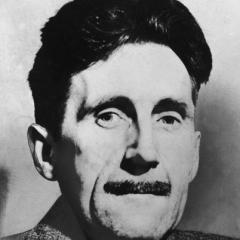
George Orwell, born Eric Arthur Blair, was a British novelist and political critic. Known for his sharp social criticism and profound insights into totalitarianism, Orwell is best remembered for his novels '1984' and 'Animal Farm', which remain influential to this day. more
“Cuốn sách tốt nhất, anh nghĩ, là cuốn sách nói những điều ta đã biết rồi.”
“Tutte le cose vecchie, nonché tutte le cose belle, erano sempre vagamente sospette.”
“Chancen kennen keine Regeln.”
“Wir irren einfacher mit dem Durchschnitt, als es als einzelner richtig zu machen!”