Quotessence
Home / Quotes / Quote by Pierre-Auguste Renoir

Quote by Pierre-Auguste Renoir

Author

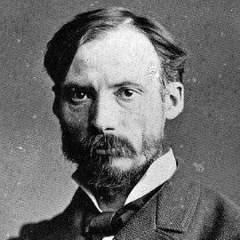
Pierre-Auguste Renoir

Pierre-Auguste Renoir (February 25, 1841 – December 3, 1919) was a French Impressionist painter renowned for his vibrant depictions of light, color, and everyday life. Born in Limoges, he moved to Paris as a child and began his artistic career as a porcelain painter. A central figure of Impressionism, Renoir focused on capturing fleeting moments, especially in scenes of leisure, women, and children. His masterpieces include Bal du moulin de la Galette, Luncheon of the Boating Party, and The Umbrellas. Despite suffering from rheumatoid arthritis in his later years, he continued painting by strapping brushes to his hands. Renoir's work remains celebrated for its warmth and optimism, influencing generations of artists and housed in major museums worldwide. more

You May Also Like

“Don’t misunderstand me. The terrorist actions of Al-Qaeda were and are unmitigatedly evil. But the astonishing naivety which decreed that America as a whole was a pure, innocent victim, so that the world could be neatly divided up into evil people (particularly Arabs) and good people (particularly Americans and Israelis), and that the latter had a responsibility now to punish the former, is a large-scale example of what I’m talking about - just as it is immature and naive to suggest the mirror image of this view, namely that the western world is guilty in all respects and that all protestors and terrorists are therefore completely justified in what they do. In the same way, to suggest that all who possess guns should be locked up, or (the American mirror-image of this view) that everyone should carry guns so that good people can shoot bad ones before they can get up to their tricks, is simply a failure to think into the depths of what’s going on.”

“Art is by nature aristocratic, and naturally selective in its effect on the audience. For even in its 'collective' manifestations, like theatre or cinema, its effect is bound up with the intimate emotions of each person who comes into contact with a work. The more the individual is traumatised and gripped by these emotions, the more significant a place will the work have in his experience. The aristocratic nature of art, however does not in any way absolve the artist of his responsibility to his public and even, if you like, more broadly, to people in general. On the contrary, because of his special awareness of his time and of the world in which he lives, the artist becomes the voice of those who cannot formulate or express their view of reality. In that sense the artist is indeed vox populi. That is why he is called to serve his own talent, which means serving his people.”