“A part of a healthy conscience is being able to confront consciencelessness. When you teach your daughter, explicitly or by passive rejection, that she must ignore her outrage, that she must be kind and accepting to the point of not defending herself or other people, that she must not rock the boat for any reason, you are NOT strengthening her prosocial sense, you are damaging it--and the first person she will stop protecting is herself.”
Quote by Martha Stout
Work
The Sociopath Next Door
This book delves into the psychology of sociopaths, examining their impact on society and personal relationships, offering a comprehensive look at their behavior patterns and how they interact with others. more
Author
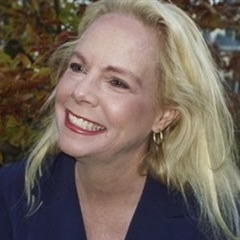
Martha Stout
Martha Stout is an American psychologist known for her research on psychological manipulation and antisocial personality disorder. Born in 1953, she graduated from Harvard University with a Ph.D. in psychology. Dr. Stout's work delves into the complexities of human psychology, particularly the behavior patterns and psychological mechanisms of individuals who excel in psychological manipulation and deception. more
You May Also Like
Source: My Life on the Road
“It's not always easy to convince someone a need exists, if they don't have that need themselves.”
Source: Invisible Women: Data Bias in a World Designed for Men
Source: Men Explain Things to Me
“I ask no favor for my sex. All I ask of our brethren is that they take their feet off our necks.”
“You deserve to be here. You deserve to exist. You deserve to take up space in this world of men.”
Source: The Lady's Guide to Petticoats and Piracy
“Right." Thea dabbed at her lips with her napkin. "No feminism at the dinner table.”
Source: The Inheritance Games
Source: Men Explain Things to Me